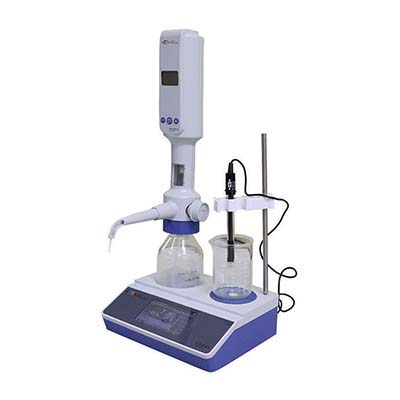
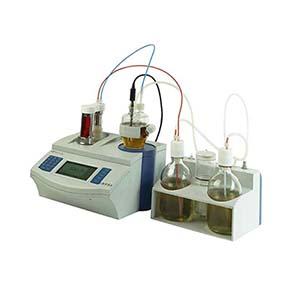
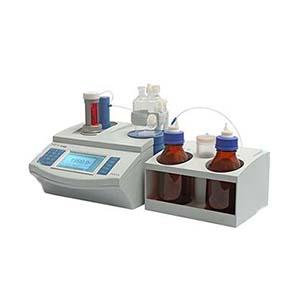
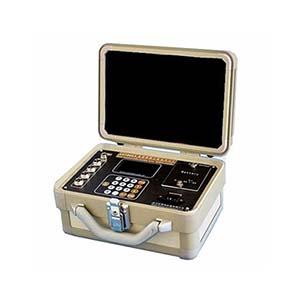
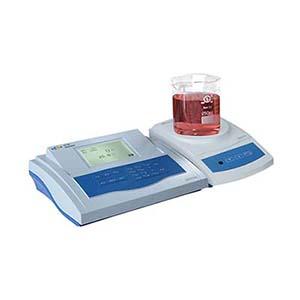
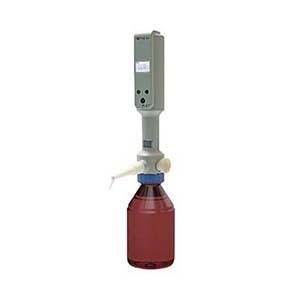
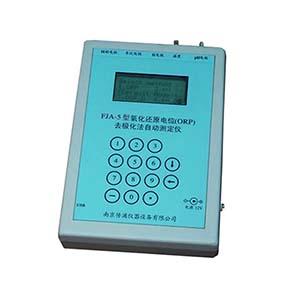
ZD-1P Automatic Potentiometric Titrator
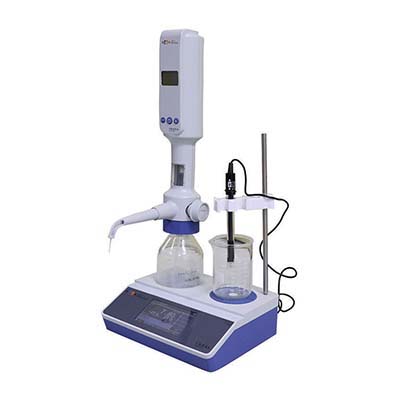
- PRODUCT DETAIL
ZD-1P Automatic Potentiometric Titrator
Product Introduction
The
ZD-1P Automatic Potentiometric Titrator is a laboratory analytical instrument
designed for precise liquid addition and potentiometric endpoint detection.
Powered by microprocessor technology, it supports multiple titration modes and
displays test methods, titration progress, titration curves, and measurement
results in real time.
With
support for up to three endpoints per titration mode, adjustable stirring
speed, and GLP-oriented data storage, the ZD-1P accommodates a range of routine
and specialized chemical analysis workflows. Its compact design and independent
titrator unit make it suitable for laboratory analysis and selected on-site
testing applications.
Performance Features
• Multiple Titration
Modes: Supports dynamic, preset endpoint, mode-based, equal-volume, and manual
titration.
• Three-Endpoint
Capability: Supports titration with up to three endpoints across all
listed titration modes.
• Real-Time Display: Shows test
methods, titration processes, titration curves, and measurement results on an
LCD.
• pH, mV, and Temperature
Measurement: Provides measurement ranges for potential,
acidity/alkalinity, and temperature.
• Adjustable
Stirring: Features stepless mixer speed regulation for flexible sample mixing.
• Independent Titrator
Unit: The compact titrator can operate independently.
• Data
Management: Supports storage of 100 sets of titration results and one
set of titration data, according to the supplied specifications.
• RS232 Interface: Enables
connection to compatible printers for titration results and data output.
• Portable
Design: Lightweight construction supports laboratory use and field inspections.
Working Principle
The
ZD-1P uses potentiometric measurement to monitor changes in electrode potential
during titration. The operator selects the appropriate titration mode and
measurement settings, while the instrument controls liquid addition and tracks
the measured potential.
When
the selected endpoint criteria are reached, the instrument identifies the
endpoint and records the corresponding analytical results. Multiple endpoint
support enables analysis of procedures involving up to three endpoints, while
real-time titration curves help users monitor the measurement process.
Technical Parameters
Parameter
Specification
Model
ZD-1P
Potential
Measurement Range
−1999.0
to 1999.0 mV
pH
Measurement Range
0.00–14.00
pH
Temperature
Measurement Range
−5.0
to 105.0°C
Potential
Resolution
0.1
mV
pH
Resolution
0.01
pH
Temperature
Resolution
0.1°C
Electronic
Unit Basic Error — pH
±(0.01
pH + 1 digit)
Electronic
Unit Basic Error — mV
±0.05%
FS
Electronic
Unit Basic Error — Temperature
±0.3°C
Burette
Capacity Tolerance
±0.025
mL for a 10 mL burette
Titration
Control Sensitivity
±2
mV
Titration
Analysis Repeatability
0.2%
Electronic
Unit Repeatability Error
≤0.025%
FS
Electronic
Unit Stability
±0.3
mV / 3 h
Titration
Modes
Dynamic,
preset endpoint, mode-based, equal-volume, manual
Endpoint
Capability
Up
to 3 endpoints per titration
Stirring
Speed
Stepless
adjustment
Display
LCD
Data
Storage
100
sets of titration results and 1 set of titration data
Communication
Interface
RS232
Dimensions
230
× 240 × 510 mm
Weight
2.5
kg
Application Scenarios
• University
Laboratories: Supports analytical chemistry teaching and practical
titration experiments.
• Scientific Research
Institutions: Enables potentiometric analysis and method development.
• Petrochemical
Laboratories: Supports suitable chemical testing and quality-control
procedures.
• Pharmaceutical
Laboratories: Assists with applicable raw-material and product analysis
workflows.
• Drug Testing
Laboratories: Supports relevant chemical analysis procedures.
• Metallurgical
Laboratories: Helps analyze chemical samples in metallurgical testing.
• Industrial
Quality Control: Provides endpoint detection and repeatable titration
measurements for compatible analytical methods.
ZD-1P vs. Conventional Manual Titration
Feature
ZD-1P Automatic Potentiometric Titrator
Conventional Manual Titration
Titration
Control
Automatic
and manual modes
Typically
operator-controlled
Endpoint
Detection
Potentiometric
endpoint control
Often
visual or method-dependent
Titration
Modes
Five
listed modes
Depends
on the method and equipment
Endpoint
Capacity
Up
to 3 endpoints
Depends
on the procedure
Titration
Curve
Real-time
display
May
require separate recording
Measurement
Functions
pH,
mV, temperature
Depends
on the setup
Data
Storage
Stores
titration results and data
Often
requires manual recording
Data
Output
RS232
interface
Depends
on the equipment
Frequently Asked Questions
1. What is the ZD-1P automatic potentiometric titrator used
for?
It
is designed for laboratory chemical analysis using controlled liquid addition
and potentiometric endpoint detection.
2. Which titration modes does the ZD-1P support?
It
supports dynamic titration, preset endpoint titration, mode-based titration,
equal-volume titration, and manual titration.
3. Can the instrument detect multiple endpoints?
Yes.
The supplied specifications state that all titration modes support up to three
endpoints.
4. What parameters can the ZD-1P measure?
It
measures electrode potential from −1999.0 to 1999.0 mV, pH from 0.00 to 14.00,
and temperature from −5.0 to 105.0°C.
5. Does the instrument display titration curves?
Yes.
Its LCD can display the titration method, process, curve, and measurement
results in real time.
6. Can stirring speed be adjusted?
Yes.
The instrument supports stepless adjustment of mixer speed.
7. How much data can the ZD-1P store?
The
listed capacity is 100 sets of titration results and one set of titration data.
Confirm the manufacturer's definition of a “set of titration data” if detailed
data-management information is required.
8. Can titration results be printed?
The
instrument includes an RS232 interface for connecting to compatible printing
equipment and outputting titration results and data.
9. What are the instrument's dimensions and weight?
The
listed dimensions are 230 × 240 × 510 mm, and the weight is 2.5 kg.