YLS-B Portable Plant Chlorophyll Meter
- PRODUCT DETAIL
YLS-B Portable Plant Chlorophyll Meter
Product Introduction
The
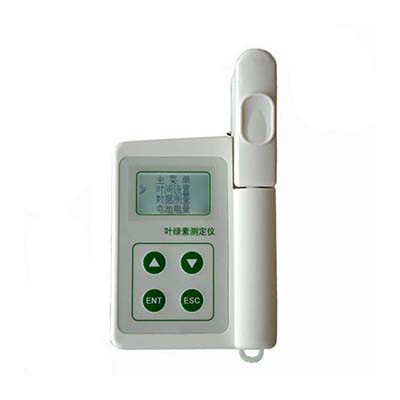
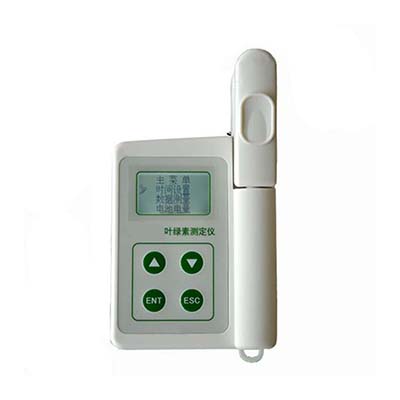
YLS-B Portable Plant Chlorophyll Meter is a handheld agricultural testing
instrument designed to measure relative chlorophyll levels in plant leaves.
Chlorophyll is essential for photosynthesis, and its content can provide useful
information about plant nutritional status, photosynthetic performance, and
growth conditions.
Using
a two-wavelength optical measurement method, the YLS-B measures relative light
transmittance through a leaf and calculates a chlorophyll-related SPAD value.
Its compact, portable design, direct LCD readout, and rapid measurement cycle
make it suitable for field inspections, greenhouse monitoring, crop research,
and precision agriculture.
With
a measurement range of 0.0–99.9 SPAD, onboard SD card storage, and rechargeable
lithium batteries, the YLS-B helps agricultural professionals monitor plant
development and make more informed decisions about fertilization, irrigation,
and crop management.
Performance Features
1.Two-Wavelength
Optical Measurement: Measures relative leaf light transmittance at
two wavelength regions to determine a chlorophyll-related SPAD value.
2. Fast Measurement: Provides a
measurement interval of less than 2 seconds for efficient plant screening and
field sampling.
3. Direct LCD Readout: Displays
chlorophyll measurement values on a three-digit LCD, allowing convenient
on-site data checking.
4. Portable Field
Design: Compact construction supports measurements in fields, greenhouses, nurseries,
and research plots.
5. Broad Measurement
Range: Covers 0.0–99.9 SPAD for monitoring relative chlorophyll levels across a
variety of plant leaves.
6. Defined Measurement
Area: Features a 10 × 10 mm measurement area for localized leaf assessment.
7. Semiconductor Optical Sensor: Uses a
silicon semiconductor photodiode to detect transmitted light.
8. Repeatable
Measurements: Provides specified repeatability within ±0.2 SPAD units
and reproducibility within ±0.5 SPAD units for SPAD values from 0 to 50.
9. SD Card Data
Storage: Supports data storage on a 2 GB SD card for field records and subsequent
analysis.
10. Rechargeable Power
Supply: Uses rechargeable lithium batteries, with a typical operating availability of
approximately seven days per charge under normal conditions.
Working Principle
The
YLS-B Portable Plant Chlorophyll Meter uses a two-wavelength optical
concentration-difference method to estimate relative chlorophyll content in
plant leaves.
Chlorophyll
absorbs light differently at different wavelengths. The instrument directs
light through the leaf at two selected wavelength regions and measures the
transmitted light using a silicon semiconductor photodiode. By comparing the
relative transmittance values, the instrument calculates a chlorophyll-related
index and displays the result as a SPAD value.
The
measurement is nondestructive under normal operation, allowing users to assess
leaves without removing samples. Repeated measurements across different leaves
or plant locations can help identify variations in chlorophyll levels and
support crop nutrition assessments.
SPAD
values are relative optical indices rather than direct measurements of
chlorophyll concentration in mass units. Their interpretation depends on plant
species, leaf characteristics, and suitable calibration or reference data.
Technical Parameters
Parameter
Specification
Model
YLS-B
Instrument
Type
Portable
Plant Chlorophyll Meter
Measurement
Range
0.0–99.9
SPAD
Measurement
Method
Two-wavelength
optical concentration-difference method
Measurement
Sample
Leaves
of various plant species
Measurement
Area
10
× 10 mm
Sensor
Silicon
semiconductor photodiode
Display
Three-digit
LCD
Measurement
Interval
Less
than 2 seconds
Accuracy
±1.0
SPAD at room temperature, for SPAD values of 0–50
Repeatability
Within
±0.2 SPAD units, for SPAD values of 0–50
Reproducibility
Within
±0.5 SPAD units, for SPAD values of 0–50
Operating
Temperature
0–50°C
Storage
Temperature
−20
to 55°C
Data
Storage
2
GB SD card
Power
Supply
Rechargeable
lithium batteries
Typical
Battery Availability
Approximately
7 days per charge under normal conditions
Note: The source does not specify the exact optical
wavelengths, battery capacity, number of stored records, or the conditions used
to define seven days of battery availability. Confirm these details with the
manufacturer when needed.
Application Scenarios
The
YLS-B Portable Plant Chlorophyll Meter supports plant monitoring and
agricultural research across a range of environments.
• Precision
Agriculture: Monitor relative chlorophyll levels to support data-driven
crop management and nutrient assessment.
• Crop
Nutrition Management: Identify differences in leaf chlorophyll
readings that may indicate variations in plant nutritional status.
• Field
Crop Monitoring: Measure leaves directly in the field to track crop
development during different growth stages.
• Greenhouse
Production: Monitor plant condition in controlled growing environments
and compare readings between cultivation zones.
• Forestry
Research: Assess relative chlorophyll variation in leaves from different plants, species,
or growing conditions.
• Plant
Science Research: Collect optical chlorophyll index data for
plant physiology experiments and growth studies.
• Fertilization
Trials: Compare leaf SPAD readings before and after different fertilizer treatments.
• Horticulture
and Nursery Management: Support routine observation of ornamental
plants, seedlings, and horticultural crops.
Comparison: YLS-B Portable Chlorophyll Meter vs.
Conventional Laboratory Analysis
Feature
YLS-B Portable Chlorophyll Meter
Conventional Laboratory Chlorophyll Analysis
Measurement
Method
Two-wavelength
optical measurement
Commonly
involves pigment extraction and analytical measurement
Sample
Preparation
Direct
leaf measurement
Usually
requires sample preparation
Measurement
Speed
Less
than 2 seconds per measurement interval
Depends
on the analytical method
Measurement
Output
Relative
SPAD value
Can
provide chlorophyll concentration with an appropriate method
Sample
Condition
Normally
nondestructive
Often
destructive
Field
Use
Designed
for portable field measurements
Usually
requires laboratory equipment
Data
Storage
2
GB SD card
Depends
on laboratory equipment and software
Typical
Purpose
Rapid
plant screening and comparative monitoring
Quantitative
chlorophyll analysis and reference measurements
The YLS-B is suited to rapid relative chlorophyll
assessment. Direct comparisons with laboratory chlorophyll concentrations
require appropriate species-specific calibration or validation.
Frequently Asked Questions
Q1: What does the YLS-B Plant Chlorophyll Meter measure?
It
measures a relative chlorophyll index in plant leaves and displays the result
in SPAD units. This index can help assess plant condition and support crop
nutrition monitoring.
Q2: What is the measurement range of the YLS-B?
The
instrument has a measurement range of 0.0–99.9 SPAD.
Q3: How quickly can the instrument measure a leaf?
The
specified minimum measurement interval is less than 2 seconds, supporting rapid
field screening.
Q4: Is the YLS-B suitable for different plant species?
The
instrument is designed to measure leaves from various plant species. However,
SPAD readings may vary with species, leaf thickness, age, and structure, so
comparisons should account for these factors.
Q5: Does the instrument damage the leaf during measurement?
The
optical measurement method is designed for direct, normally nondestructive leaf
assessment. Users should position the leaf correctly and follow the
manufacturer's operating instructions.
Q6: How are measurement results stored?
The
YLS-B supports data storage using a 2 GB SD card. Confirm the supported export
format and data management procedure with the manufacturer.
Q7: What is the accuracy of the YLS-B?
The
specified accuracy is ±1.0 SPAD at room temperature for readings between 0 and
50 SPAD. Repeatability is within ±0.2 SPAD units, and reproducibility is within
±0.5 SPAD units over the same stated range.
Q8: How long can the instrument operate on a full charge?
The
supplied specification indicates approximately seven days of availability under
normal conditions. Actual operating time depends on usage frequency, standby
behavior, and battery condition.
Q9: Can SPAD readings be used to determine fertilizer
requirements?
SPAD
readings can help assess relative leaf chlorophyll levels and support nutrient
management decisions. For reliable fertilizer recommendations, readings should
be interpreted alongside crop species, growth stage, soil conditions, and other
agronomic information.