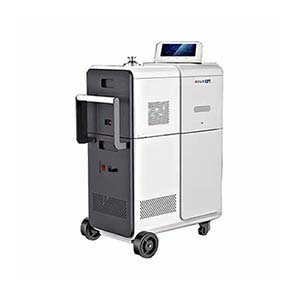
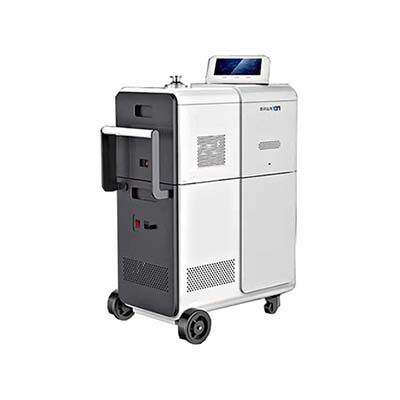
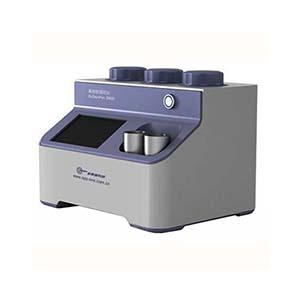
NHJ-400NM Helium Mass Spectrometer Leak Detector
Product Introduction
The
NHJ-400NM Helium Mass Spectrometer Leak Detector is a high-sensitivity
instrument designed to detect and locate leaks in vacuum systems, sealed
components, and industrial products. Based on helium mass spectrometry and
reverse-diffusion technology, it combines an imported molecular pump, a 180°
non-uniform magnetic field, and automatic control functions for efficient leak
detection.
The
NHJ-400NM supports automatic peak scanning, zero adjustment, calibration, and
range switching, reducing the need for repeated manual adjustments. With a
minimum detectable leak rate of 5 × 10⁻¹³ Pa·m³/s,
a response time of no more than 1 second, and a startup time of no more than 2
minutes, it is designed for applications requiring sensitive and rapid leak
testing.
Its
vacuum and sniffer detection capabilities, multiple signal interfaces, and
contamination-resistant gas-path design make it suitable for industrial
manufacturing, vacuum equipment inspection, sealed-component testing, and
quality control.
Performance Features
1. High-Sensitivity
Helium Leak Detection: Provides a minimum detectable leak rate of 5 ×
10⁻¹³ Pa·m³/s for sensitive leak testing.
2. Wide Measurement
Range: The specified leak-rate display range extends from 1 × 10⁻³ to 1 × 10⁻¹³ Pa·m³/s.
3. Automatic Operation: Supports
automatic peak scanning, zero adjustment, calibration, and measurement range
switching.
4. Fast Startup and
Response: Startup time is ≤2 minutes, with a specified response time of ≤1 second.
5. Advanced Vacuum
Technology: Uses an imported molecular pump and reverse-diffusion
technology to support vacuum leak detection.
6. Contamination-Resistant
Gas Path: The gas-path design is intended to improve pumping performance, shorten
background recovery time, and reduce internal contamination.
7. Precision Leak Detection Port: A
customized filter helps prevent debris and copper particles from entering the
instrument.
8. Vacuum and Sniffer Modes: Supports
vacuum leak testing and sniffer-based leak localization, with separate
specified detection ranges.
9. Electromagnetic and
Thermal Isolation: Separation of the machine structure and
circuitry is designed to reduce temperature-related and electromagnetic
interference.
10. Multiple
Integration Interfaces: Multi-mode inputs and outputs facilitate
connection to compatible automation and control systems.
12. Multiple Display
Units: Displays leak rates in Pa·m³/s, mbar·L/s, atm·cc/s, or ppm, depending on the
selected mode and configuration.
Working Principle
The
NHJ-400NM uses helium mass spectrometry to identify helium entering a test
system through leaks.
1. Evacuation and Gas Sampling
In
vacuum testing, the connected test component is evacuated using the leak
detector's pumping system. Helium is introduced around potential leak locations
or into the test environment, depending on the selected procedure.
2. Helium Detection
Helium
entering the instrument is analyzed using the mass spectrometer. The magnetic
field separates ions according to their mass-to-charge ratio, enabling the
instrument to identify the helium signal against the background.
3. Signal Processing and Leak-Rate Calculation
The
instrument processes the detected helium signal and converts it into a
leak-rate reading. Automatic zero adjustment, peak scanning, calibration, and
range switching help maintain convenient operation over a wide measurement
range.
4. Sniffer Leak Localization
In
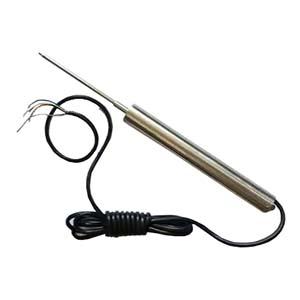
sniffer mode, a probe samples gas near the suspected leak location. The
instrument detects helium above the background level, helping the operator
identify the location of a leak.
Actual
detection sensitivity depends on the test setup, background helium
concentration, system cleanliness, calibration, and the selected detection
method.
Technical Parameters
|
Parameter
|
Specification
|
|
Model
|
NHJ-400NM
|
|
Instrument
Type
|
Helium
Mass Spectrometer Leak Detector
|
|
Detection
Principle
|
Helium
mass spectrometry and reverse diffusion
|
|
Minimum
Detectable Leak Rate
|
5
× 10⁻¹³ Pa·m³/s
|
|
Leak-Rate
Display Range
|
1
× 10⁻³ to 1 × 10⁻¹³ Pa·m³/s
|
|
Minimum
Detectable Sniffer Leak Rate
|
1
× 10⁻⁸ Pa·m³/s
|
|
Sniffer
Leak-Rate Display Range
|
1
× 10⁻³ to 1 × 10⁻⁹ Pa·m³/s
|
|
Startup
Time
|
≤2
minutes
|
|
Response
Time
|
≤1
second
|
|
Leak
Detection Pressure
|
1,500
Pa
|
|
Mass
Analyzer Magnetic Field
|
180°
non-uniform magnetic field
|
|
Pumping
System
|
Imported
molecular pump
|
|
Automatic
Functions
|
Peak
scanning, zero adjustment, calibration, and range switching
|
|
Display
Units
|
Pa·m³/s,
mbar·L/s, atm·cc/s, ppm
|
|
Power
Supply
|
220
V ±10%, 50 Hz
|
|
Operating
Temperature
|
5–40°C
|
|
Relative
Humidity
|
≤80%
|
|
Weight
|
≤80
kg
|
Note: Confirm the precise definition and operating
conditions of the specified 1,500 Pa leak-detection pressure with the
manufacturer. Detection performance may vary with the test configuration and
method.
Application Scenarios
The
NHJ-400NM helium mass spectrometer leak detector is suitable for applications
where reliable detection of small leaks is important.
• Vacuum
Equipment Manufacturing: Testing vacuum chambers, vacuum pipelines,
valves, and vacuum assemblies.
• Sealed
Components: Detecting leaks in sealed housings, enclosures, and
components designed to maintain gas tightness.
• Automotive
and Industrial Components: Supporting leak testing of compatible
components and assemblies during manufacturing and quality inspection.
• Refrigeration
and Heat-Transfer Equipment: Testing suitable sealed components, joints,
and assemblies using an appropriate helium test procedure.
• Electronics
Manufacturing: Inspecting compatible sealed electronic components and
vacuum-related assemblies.
• Industrial Automation: Integrating
leak detection into production lines and automated inspection systems through
compatible input/output interfaces.
• Quality Control
Laboratories: Performing sensitive leak tests during product
development, incoming inspection, and production verification.
• Maintenance and
Troubleshooting: Using sniffer mode to help locate helium leaks in
accessible test systems.
NHJ-400NM vs. Conventional Leak Detection Methods
|
Comparison Item
|
NHJ-400NM Helium Mass Spectrometer Leak Detector
|
Conventional Leak Detection Methods
|
|
Detection
Principle
|
Helium
mass spectrometry
|
May
use pressure decay, bubble testing, or other gas detection methods
|
|
Minimum
Detectable Leak Rate
|
5
× 10⁻¹³ Pa·m³/s, as
specified
|
Depends
on the method and equipment
|
|
Sniffer
Detection
|
Supported;
minimum detectable sniffer leak rate specified as 1 × 10⁻⁸ Pa·m³/s
|
Depends
on the system
|
|
Automatic
Functions
|
Automatic
peak scanning, zero adjustment, calibration, and range switching
|
Varies
by instrument
|
|
Startup
Time
|
≤2
minutes
|
Depends
on equipment
|
|
Response
Time
|
≤1
second
|
Depends
on method and test setup
|
|
Leak
Localization
|
Supported
through sniffer testing
|
Depends
on method
|
|
Automation
Integration
|
Multiple
input/output modes
|
Depends
on interface configuration
|
|
Typical
Use
|
High-sensitivity
leak testing and helium-based leak localization
|
General
leak checks or applications suited to alternative methods
|
The methods serve different purposes. The most suitable
approach depends on the required leak-rate sensitivity, test object, production
process, and applicable acceptance criteria.
Frequently Asked Questions (FAQ)
1. What is the NHJ-400NM helium mass spectrometer leak
detector used for?
It
detects and helps locate leaks in vacuum systems, sealed components, and
industrial assemblies using helium as a tracer gas.
2. What is the minimum detectable leak rate?
The
specified minimum detectable leak rate is 5 × 10⁻¹³ Pa·m³/s. The minimum detectable leak rate in sniffer
mode is 1 × 10⁻⁸ Pa·m³/s.
3. What is the difference between vacuum mode and sniffer
mode?
Vacuum
testing detects helium entering an evacuated test system. Sniffer testing
samples gas near a suspected leak to help locate the leak. The appropriate mode
depends on the test object's design and accessibility.
4. How quickly can the NHJ-400NM start and respond?
The
specified startup time is no more than 2 minutes, and the response time is no
more than 1 second. Actual test-cycle time depends on the system volume,
background level, and test procedure.
5. Does the instrument support automatic calibration?
Yes.
It supports automatic calibration, peak scanning, zero adjustment, and
measurement range switching.
6. Which units can be used to display leak rates?
Available
display units include Pa·m³/s, mbar·L/s, atm·cc/s, and ppm. The suitability of
each unit depends on the selected measurement mode and configuration.
7. Can the NHJ-400NM be integrated into an automated
production line?
Yes.
Its multiple input and output modes are designed to support integration with
compatible automation equipment. Confirm the exact signal types and
communication requirements before installation.
8. What environmental conditions are required?
The
specified operating temperature is 5–40°C, with relative humidity no greater
than 80%. The instrument requires a 220 V ±10%, 50 Hz power supply.
9. What factors affect helium leak detection accuracy?
Performance
can be affected by background helium, contamination, calibration, pumping
conditions, test fixture design, and the selected test procedure. Proper setup
and calibration are important for reliable results.