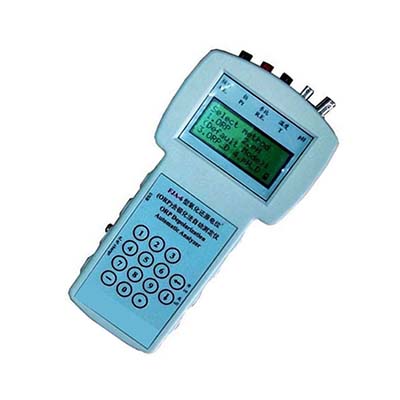
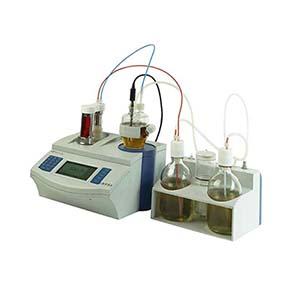
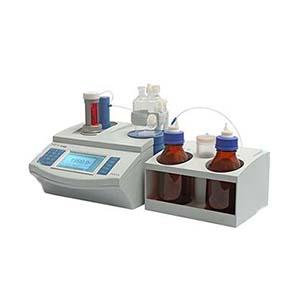
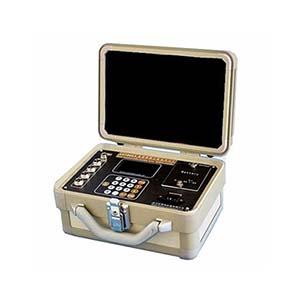
FJA-6 ORP Depolarization Method Automatic Measuring System
- PRODUCT DETAIL
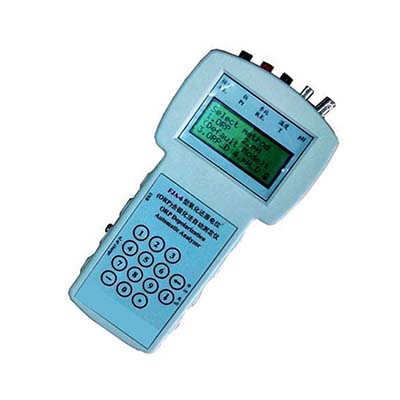
FJA-6 ORP Depolarization Method Automatic Measuring System
Product Introduction
The
FJA-6 ORP Depolarization Method Automatic Measuring System is designed for
measuring oxidation-reduction potential (ORP or Eh) in environmental media such
as soil, natural water, and laboratory samples.
Conventional
ORP measurement with a platinum electrode can be slow, particularly in weakly
balanced redox systems. Surface oxide films or adsorbed substances may affect
electron exchange at the electrode, delaying the establishment of a stable
potential and introducing measurement errors.
The
FJA-6 uses a positive and negative polarization depolarization method to
evaluate redox potential while accounting for electrode surface behavior.
According to the manufacturer, it can complete a measurement in as little as 2
minutes, with measurement accuracy better than 10 mV.
The
system supports ORP, pH, and temperature measurement. It can operate
independently in the field or connect to a PC through USB for automatic
measurement control, data processing, curve generation, and result storage.
Performance Features
• Depolarization
measurement technology: Uses positive and negative polarization
instead of conventional direct platinum electrode measurement.
• Fast
measurement: Completes a measurement in as little as 2 minutes,
according to the supplied specifications.
• Improved
measurement reliability: Designed to reduce errors associated with
platinum electrode surface conditions and slow potential stabilization.
• Multi-parameter
measurement: Supports ORP, pH, and temperature measurement, with
simultaneous measurement of all three parameters when connected to a PC.
• Automatic measurement
control: Automatically manages the measurement process and data processing.
• Temperature
compensation: Determines the reference electrode potential automatically
using a temperature-based lookup table.
• USB
PC connectivity: Connects to a computer or laptop for software-controlled
operation.
• Automatic
data management: Generates measurement curves and saves results through the
PC application.
• Flexible measurement
modes: Supports individual measurements and cyclic data collection.
• Portable
power supply: Operates with an 8.4 V lithium battery for independent
field use.
Working Principle
The
FJA-6 uses a depolarization method based on positive and negative electrode
polarization to determine redox potential.
In
conventional ORP measurement, a platinum indicator electrode and a reference
electrode are immersed directly in the sample. In weakly balanced systems,
surface oxide films or adsorbed substances on the platinum electrode can slow
electron exchange between redox couples and the electrode. This may result in
long stabilization times and measurement deviations.
The
FJA-6 addresses this challenge by applying controlled positive and negative
polarization and monitoring the electrode response during depolarization. Its
measurement process is designed to account for electrode surface dynamics and
determine the final redox potential more efficiently.
The
system also measures temperature and uses a lookup table to compensate for the
reference electrode potential. When connected to a PC, the software
automatically controls measurement, processes data, generates curves, and
stores results.
Technical Parameters
Parameter
Specification
Measurement
Parameters
ORP
/ Eh, pH, temperature
ORP
Measurement Range
0
to ±1999.9 mV
Minimum
Reading
0.1
mV
ORP
Measurement Accuracy
Less
than 10 mV
Input
Impedance
Greater
than 10¹⁰ Ω
Minimum
Measurement Time
2
minutes
Measurement
Method
Positive
and negative polarization depolarization method
Reference
Electrode Compensation
Automatic
temperature-based lookup table
Communication
Interface
USB
Power
Supply
8.4
V lithium battery
Application Scenarios
The
FJA-6 is suitable for redox potential measurement in environmental,
agricultural, and laboratory applications, including:
• Soil redox potential
analysis: Evaluating oxidation-reduction conditions in agricultural soils, wetlands, and
research plots.
• Natural
water monitoring: Measuring redox conditions in rivers, lakes,
groundwater, and other natural water environments.
• Environmental
research: Studying oxidation-reduction processes in soil, water, and other environmental
media.
• Laboratory
electrochemistry: Measuring Eh in samples where electrode
surface effects may influence conventional ORP measurements.
• Water treatment
research: Monitoring redox conditions in water treatment and related experimental
processes.
• Field measurements: Performing
portable ORP measurements using the built-in lithium battery.
Comparison:
FJA-6 Depolarization Method vs. Conventional Platinum
Electrode ORP Measurement
Comparison Item
FJA-6 Depolarization Method
Conventional Platinum Electrode Method
Measurement
Principle
Positive
and negative polarization depolarization
Direct
potential measurement using platinum and reference electrodes
Electrode
Surface Effects
Designed
to account for electrode surface dynamics
Surface
films and adsorbed substances may affect measurement
Measurement
Time
As
little as 2 minutes
May
require extended stabilization in weakly balanced systems
Measurement
Accuracy
Less
than 10 mV, according to manufacturer
Source
describes typical errors of 40–100 mV in challenging media
Measurement
Control
Automatic
Depends
on instrument and operator
Temperature
Compensation
Automatic
reference electrode potential lookup
Depends
on instrument
Data
Processing
Automatic
with PC software
Depends
on instrument
Portability
8.4
V lithium battery
Depends
on instrument configuration
Frequently Asked Questions
1. What is the FJA-6 ORP depolarization method measuring
system used for?
The
FJA-6 measures oxidation-reduction potential (ORP or Eh) in environmental media
such as soil, natural water, and laboratory samples. It is designed for
applications where conventional platinum electrode measurements may take a long
time to stabilize.
2. What is the difference between the FJA-6 and a
conventional ORP meter?
Conventional
ORP meters generally measure the potential between a platinum electrode and a
reference electrode directly. The FJA-6 uses controlled positive and negative
polarization followed by depolarization to determine redox potential.
3. How long does one measurement take?
The
minimum measurement time specified by the manufacturer is 2 minutes.
4. What is the ORP measurement range?
The
specified range is 0 to ±1999.9 mV, with a minimum reading of 0.1 mV.
5. What measurement accuracy does the FJA-6 provide?
The
stated ORP measurement accuracy is less than 10 mV.
6. Can the FJA-6 measure pH and temperature?
Yes.
The system supports ORP, pH, and temperature measurement. Simultaneous
measurement of all three parameters is available when connected to a PC.
7. Can the FJA-6 be used outdoors?
Yes.
It can operate independently in the field and uses an 8.4 V lithium battery. It
can also connect to a PC or laptop through USB.
8. Does the FJA-6 support automatic data recording?
Yes.
When used with PC software, the system can automatically control measurements,
process data, generate curves, and save results. Users can select
single-measurement or cyclic data collection modes.