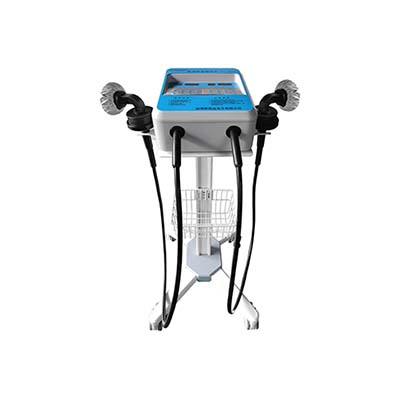
TAILEIZI Vibrating Percussion Expectoration Machine
- PRODUCT DETAIL
TAILEIZI Vibrating Percussion Expectoration Machine
Product Introduction
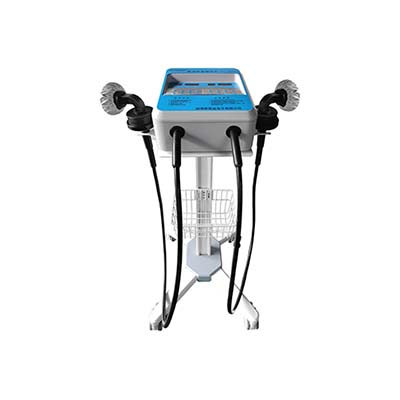
The TAILEIZI Vibrating Percussion Expectoration Machine is a respiratory physiotherapy device designed to assist with airway clearance and sputum removal. It uses directional mechanical percussion, vibration, and rhythmic pushing forces as an alternative to traditional manual chest percussion and postural drainage techniques.
By applying controlled physical forces to the body surface, the device helps loosen and mobilize retained respiratory secretions, making it easier for mucus to move through the airways and be expelled. It is designed to support respiratory rehabilitation, secretion management, and chest physical therapy.
The TAILEIZI machine also aims to support respiratory muscle relaxation and improve chest circulation through mechanical stimulation. It can be used as part of a healthcare professional's airway clearance and respiratory rehabilitation program.
Performance Features
• Directional Percussion: Applies periodic mechanical percussion forces to support respiratory secretion mobilization.
• Vibration Therapy: Combines percussion and vibration to help loosen mucus and respiratory secretions.
• Directional Drainage: Produces directional pushing forces to assist the movement of loosened secretions along the respiratory tract.
• Alternative to Manual Chest Percussion: Reduces reliance on traditional manual percussion and tremor techniques.
• Airway Clearance Support: Helps mobilize retained sputum and facilitate expectoration.
• Respiratory Muscle Relaxation: Mechanical stimulation is designed to help relax respiratory muscles.
• Respiratory Rehabilitation Support: Can be incorporated into professional respiratory physiotherapy and airway clearance programs.
Working Principle
The TAILEIZI vibrating percussion expectoration machine is designed based on directional physical percussion and clinical chest physical therapy principles.
During operation, the device generates periodically changing mechanical forces on the surface of the body. These forces combine discrete percussion, vibration, and directional pushing components to transmit mechanical stimulation through the skin and underlying tissues.
The percussion and vibration components help loosen and mobilize mucus and other retained respiratory secretions on the airway surfaces. Meanwhile, the horizontal component of the directional force helps guide mobilized secretions toward larger airways, following the general pathway from bronchioles to bronchi and then the trachea.
This mechanical airway clearance process is intended to facilitate subsequent expectoration and support respiratory secretion management.
Main Functions
1. Promotes Secretion and Sputum Clearance: Helps loosen and mobilize retained respiratory secretions to facilitate expectoration.
2. Supports Bronchial Muscle Relaxation: Mechanical chest stimulation is intended to help relieve bronchial smooth muscle tension.
3. Helps Reduce Airway Obstruction: Supports secretion mobilization and airway clearance.
4. Supports Respiratory Oxygenation: Airway clearance may help improve ventilation and oxygenation when retained secretions are contributing to respiratory impairment.
5. Supports Respiratory Assessment and Rehabilitation: May help improve breath sounds when secretion retention is a contributing factor.
Application Scenarios
The TAILEIZI vibrating percussion expectoration machine may be incorporated into professionally supervised respiratory care and rehabilitation programs, including:
• Respiratory Departments: Airway clearance and sputum management.
• Rehabilitation Departments: Respiratory physiotherapy and rehabilitation support.
• Intensive Care Units: Secretion management as part of an individualized respiratory care plan.
• Postoperative Care: Support for airway clearance when clinically indicated.
• Long-Term Respiratory Care: Assistance with secretion mobilization in patients who have difficulty clearing sputum.
• Clinical Physiotherapy: Mechanical percussion and vibration as part of chest physical therapy.
Product Comparison
|
Feature |
TAILEIZI Vibrating Percussion Expectoration Machine |
Traditional Manual Chest Percussion |
|
Treatment method |
Mechanical directional percussion and vibration |
Manual percussion and vibration |
|
Force application |
Device-generated periodic mechanical force |
Applied by a healthcare professional |
|
Directional force |
Designed to provide directional pushing forces |
Depends on manual technique |
|
Secretion mobilization |
Combines percussion and vibration |
Uses manual chest percussion |
|
Operating approach |
Mechanical device-assisted treatment |
Hands-on treatment |
|
Clinical application |
Respiratory physiotherapy and airway clearance support |
Traditional chest physical therapy |
Frequently Asked Questions (FAQ)
1. What is the TAILEIZI vibrating percussion expectoration machine used for?
It is designed to assist with respiratory airway clearance by using mechanical percussion and vibration to loosen and mobilize retained sputum and respiratory secretions.
2. How does the machine help remove sputum?
It generates periodic percussion, vibration, and directional pushing forces that help loosen mucus and move mobilized secretions toward larger airways for expectoration.
3. How is it different from manual chest percussion?
Traditional chest percussion relies on a healthcare professional applying manual forces. The TAILEIZI machine uses mechanical percussion and vibration to provide device-assisted chest physical therapy.
4. Does the machine use directional vibration?
Yes. Its operating principle combines percussion and vibration with a horizontal directional force component designed to help guide loosened secretions toward larger airways.
5. Can the machine replace conventional airway clearance techniques?
It is designed as an alternative to manual chest percussion and certain postural drainage techniques. However, treatment selection should depend on the patient's condition and the guidance of qualified healthcare professionals.
6. Which clinical departments can use this device?
Potential application departments include respiratory medicine, rehabilitation, intensive care, postoperative care, and other clinical settings where airway clearance is indicated.
7. Can the device improve oxygenation?
Airway clearance may support ventilation and oxygenation when retained secretions are affecting airflow. Actual clinical outcomes depend on the patient's underlying condition and treatment plan.
8. Does the device require professional supervision?
Yes. Appropriate patient assessment, treatment positioning, operating settings, and monitoring should be determined by qualified healthcare professionals.