ZH-QPT Video Analysis System for Forced Swimming Experiments
- PRODUCT DETAIL
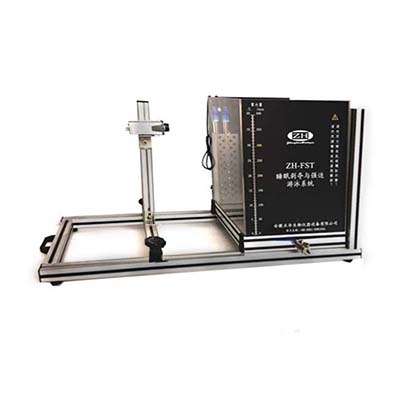
ZH-QPT Video Analysis System for Forced Swimming
Experiments
Product Introduction
The
ZH-QPT Video Analysis System for Forced Swimming Experiments is designed for
behavioral research involving mice, rats, and other laboratory animals. It is
primarily used in antidepressant, sedation, and analgesia research, as well as
experimental teaching and behavioral studies.
The
system records animal behavior during forced swimming experiments and
automatically tracks and analyzes movement patterns and immobility-related
parameters. By replacing manual counting with video-based analysis, it helps
reduce subjective scoring errors and interference caused by direct human
observation.
Supporting
simultaneous experiments with up to 16 mice, the ZH-QPT provides trajectory
maps, trajectory coordinates, index results, video playback, and experimental
report generation. Results can be exported for further statistical analysis in
Excel, SPSS, SAS, and other tools. Its low-light video capability supports
recording under dim illumination, helping minimize environmental disturbance to
rodents.
Performance Features
• Multi-animal testing: Supports
simultaneous experiments with up to 16 mice to improve experimental efficiency.
• Automatic
behavior recording: Reduces subjective errors associated with
manual observation and counting.
• Video-based
tracking: Uses a side-view image-tracking algorithm to track animal behavior.
• Behavioral parameter
analysis: Records and analyzes movement trajectories and immobility-related indicators.
• Trajectory
export: Exports trajectory maps, trajectory coordinate points, and index results.
• Experimental
database: Provides an experimental database for storing research records and supporting
teaching demonstrations.
• Statistical
data export: Allows index results to be imported into Excel for further
analysis using Excel, SPSS, SAS, and similar software.
• Video recording and
replay: Preserves experimental videos for playback and manual review.
• Original
video archiving: Supports recording original video images for scientific
research and computer-aided instruction (CAI).
• AVI
video support: Supports AVI compression to help reduce storage
requirements for long-term observation.
• Low-light operation: Supports
video analysis under very low illumination, with the specified illumination
below 0.005 lux.
• Multiple
camera options: The source lists black-and-white or color imaging and
camera sharpness options of 540 or 600 lines.
Working Principle
The
ZH-QPT system uses a camera to record the animal's behavior during a forced
swimming experiment. Video analysis software processes the side-view images,
tracks animal movement, and extracts behavioral trajectories and related index
results.
The
system automatically saves experimental records and video footage, allowing
researchers to replay the experiment and manually check the analysis when
necessary. Trajectory maps, coordinate points, and index results can be
exported for statistical processing. Experimental data can also be compiled
into reports for research documentation and teaching.
Research note: Forced swimming is an established behavioral
assay, but immobility should be interpreted within the experimental protocol
and alongside other relevant evidence. It should not, by itself, be treated as
a definitive diagnosis of depression or a direct measure of an animal's
subjective emotional state.
Technical Parameters
Parameter
Specification
Product
Model
ZH-QPT
Product
Type
Forced
Swimming Experiment Video Analysis System
Applicable
Animals
Mice,
rats, and other suitable laboratory animals
Maximum
Simultaneous Mouse Experiments
16
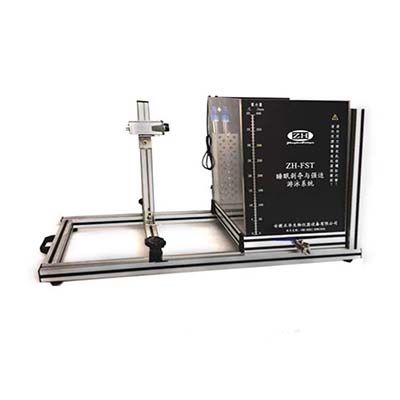
Hardware
Dimensions
1000
× 530 × 850 mm
Rat
Swimming Bucket
200
mm diameter × 600 mm height
Mouse
Swimming Bucket
120
mm diameter × 400 mm height
Camera
Brand
SONY
gun camera, as specified by the manufacturer
Camera
Sharpness
540
lines / 600 lines
Imaging
Options
Black-and-white
or color
Minimum
Specified Illumination
Below
0.005 lux
Video
Functions
Recording,
playback, and manual review
Video
Format
AVI
compression supported
Analysis
Outputs
Trajectory
maps, trajectory coordinate points, index results
Data
Management
Experimental
database
Data
Export
Excel-compatible
results; further analysis in Excel, SPSS, SAS, and similar software
Report
Function
Experimental
report generation and printing
Note: The source does not specify the software version,
supported operating systems, exact behavioral indices, camera resolution in
pixels, or the number of rat experiments supported simultaneously. Confirm
these details with the manufacturer before purchase.
Application Scenarios
• Antidepressant
research: Analyze behavioral responses during forced swimming experiments for
pharmacological studies.
• Sedation
studies: Record and compare animal behavior under different experimental conditions.
• Analgesia research: Support
behavioral observation in relevant experimental protocols.
• Animal
behavior research: Track movement trajectories and
immobility-related indicators.
• Pharmacological
screening: Compare behavioral results across experimental groups.
• Medical
university laboratories: Support practical training and experimental
demonstrations.
• Scientific
research institutes: Maintain video records and structured
experimental datasets.
• Computer-aided
instruction: Use recorded experiments and analysis outputs for
teaching.
ZH-QPT vs. Manual Forced Swimming Analysis
Comparison Item
ZH-QPT Video Analysis System
Manual Observation
Behavior
Recording
Automated
video-based recording and tracking
Observer-dependent
Simultaneous
Mouse Experiments
Up
to 16
Depends
on staffing and setup
Trajectory
Analysis
Trajectory
maps and coordinate-point export
Usually
requires manual recording or separate tools
Immobility-Related
Analysis
Software-derived
index results
Manual
scoring
Video
Review
Recorded
video can be replayed
Depends
on whether separate video recording is used
Data
Management
Experimental
database
Depends
on laboratory procedures
Statistical
Export
Excel-compatible
results for further statistical analysis
Often
requires manual data entry
Reporting
Experimental
report generation and printing
Depends
on documentation workflow
Low-Light
Recording
Supports
illumination below 0.005 lux
Depends
on observation and recording equipment
Frequently Asked Questions
Q1: What is the ZH-QPT forced swimming test system used
for?
It
is used to record and analyze animal behavior during forced swimming
experiments, primarily for antidepressant, sedation, and analgesia research, as
well as laboratory teaching.
Q2: How many mice can be tested simultaneously?
The
system supports experiments with up to 16 mice at the same time. The supported
number of rats per experiment is not specified in the supplied technical
information.
Q3: What data can the system export?
It
can export trajectory maps, trajectory coordinate points, and behavioral index
results. Results can be imported into Excel for further statistical analysis.
Q4: Can researchers review the original experiment after
testing?
Yes.
The system preserves experiment videos for playback and manual review, helping
researchers check the recorded behavior and analysis results.
Q5: Does the system support statistical software?
The
source specifies that index results can be imported into Excel and analyzed
using Excel, SPSS, SAS, and similar statistical tools.
Q6: Can the system operate under low-light conditions?
Yes.
The specified illumination is below 0.005 lux, supporting video analysis under
very dim lighting conditions.
Q7: What video format does the system support?
The
system supports AVI compression, which can help reduce storage requirements for
long-term video archiving.
Q8: What are the swimming container dimensions?
The
listed rat swimming bucket measures 200 mm in diameter and 600 mm in height.
The mouse swimming bucket measures 120 mm in diameter and 400 mm in height.
Q9: What are the main advantages over manual counting?
Automatic
video tracking helps reduce subjective scoring errors, provides trajectory data
and structured index results, and maintains video records for review and
statistical analysis.