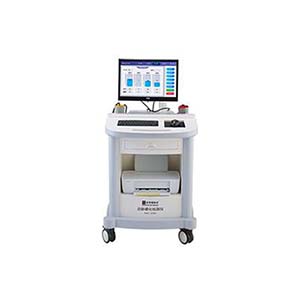
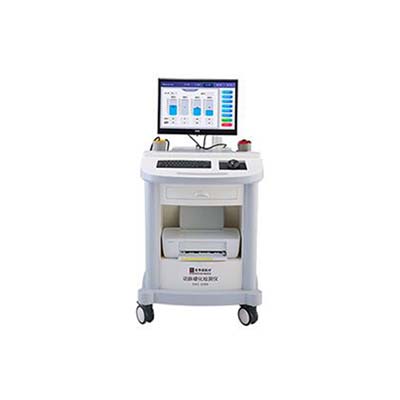
DAS-1000 Basic Arteriosclerosis Detector
- PRODUCT DETAIL
DAS-1000 Basic Arteriosclerosis Detector
Product Introduction
The
DAS-1000 Basic Arteriosclerosis Detector is a non-invasive vascular assessment
system designed to evaluate arterial stiffness and peripheral arterial
circulation. Using pulse wave velocity (PWV), the oscillometric method, and
parameter analysis, it measures multiple cardiovascular and vascular indicators
to support arteriosclerosis assessment.
The
system can synchronously or asynchronously detect arterial pulse waves from
four limb locations: the left and right upper brachial arteries and the left
and right ankle arteries. Its measurement parameters include PWV,
ankle-brachial index (ABI), arteriosclerosis index (ASI), blood pressure, pulse
pressure, and other hemodynamic indicators.
Equipped
with a 19-inch color LCD screen, a 270-degree rotating display design, and a
comprehensive database system, the DAS-1000 provides convenient operation,
patient record management, historical data tracking, and report generation. It
supports both dedicated report paper and standard A4 color printing, making it
suitable for hospitals, clinics, and cardiovascular health assessment centers.
Performance Features
• Four-Limb Pulse Wave
Detection: Simultaneously detects pulse waves from the left and right brachial arteries
and left and right ankle arteries.
• Multiple
Measurement Technologies: Integrates PWV measurement, oscillometric
measurement, and parameter analysis for comprehensive vascular assessment.
• Comprehensive
Arteriosclerosis Parameters: Measures PWV, ABI, ASI, C1, C2, and additional
cardiovascular and hemodynamic indicators.
• Synchronous
and Asynchronous Measurement: Supports fully automatic synchronous or
asynchronous limb measurement.
• Non-Invasive Testing: Uses
dedicated pulse sensor cuffs for convenient, non-invasive vascular assessment.
• 19-Inch Color Display: Features a
1440 × 900 resolution LCD screen and a 270-degree rotating design for flexible
viewing.
• Comprehensive
Database Management: Supports patient records, measurement data
storage, historical tracking, and data backup.
• Health
Management Connectivity: Can connect to compatible health management
software systems.
• Flexible Report
Printing: Supports dedicated report paper and standard A4 color printing, with
measurement results and reference normal values.
• User-Friendly
Interface: Provides clear operating instructions and an intuitive measurement workflow.
• System
Maintenance Function: Allows users to perform an air-path
airtightness test for routine system checks.
Working Principle
The
DAS-1000 combines pulse wave velocity measurement, oscillometric measurement,
and parameter analysis to evaluate arterial stiffness and vascular function.
During
measurement, dedicated cuffs and pulse sensors collect arterial pulse wave
signals from the upper arms and ankles. The system analyzes pulse wave
transmission characteristics to calculate pulse wave velocity (PWV), an
indicator used in arterial stiffness assessment.
The
oscillometric method measures limb blood pressure by detecting pressure
oscillations within the cuffs. The system uses the measured blood pressure
values to calculate the ankle-brachial index (ABI), which helps assess
peripheral arterial circulation.
Additional
parameters, including the arteriosclerosis index (ASI), aortic compliance
indices (C1 and C2), and hemodynamic indicators, are processed and displayed
through the analysis software. Measurement results can be stored in the
database, reviewed historically, and printed as detailed reports.
Technical Parameters
Parameter
Specification
Model
DAS-1000
Product
Type
Basic
Arteriosclerosis Detector
Measurement
Methods
PWV
method, oscillometric method, parameter analysis
Measurement
Mode
Fully
automatic synchronous or asynchronous limb measurement
Pulse
Wave Detection
Four
locations: left/right brachial arteries and left/right ankle arteries
Applicable
Arm Circumference
20–30
cm
Input
Power
200
VA
Display
19-inch
LCD screen
Display
Resolution
1440
× 900 pixels
Input/Output
Interface
USB
Report
Printing
Dedicated
report paper and standard A4 paper
Trolley
Dimensions (W × D × H)
650
× 600 × 800 mm
Weight
40
kg
Detection Parameters
Parameter
Description
SBP
Limb
systolic blood pressure
DBP
Limb
diastolic blood pressure
MAP
Mean
arterial pressure
PP
Pulse
pressure
SV
Stroke
volume
CO
Cardiac
output
SVR
Systemic
vascular resistance
ET
Left
ventricular ejection time
HR
Heart
rate
BMI
Body
mass index
PWV
Pulse
wave velocity
ABI
Ankle-brachial
index
ASI
Arteriosclerosis
index
C1
Aortic
compliance index
C2
Aortic
compliance index
Application Scenarios
The
DAS-1000 Basic Arteriosclerosis Detector is suitable for non-invasive vascular
assessment and cardiovascular health screening in:
• Hospitals
and Cardiovascular Departments: Supporting arterial stiffness
assessment and vascular function examinations.
• Physical
Examination Centers: Providing PWV, ABI, and other vascular
measurement parameters for health screening.
• Cardiovascular Clinics: Assisting
with the evaluation of arterial stiffness and peripheral circulation.
• Community Healthcare
Centers: Supporting non-invasive cardiovascular risk assessment and health management.
• Health
Management Centers: Maintaining historical vascular measurement
records and tracking changes over time.
• Medical
Research Institutions: Providing arterial pulse wave and hemodynamic
measurement data for research applications.
Product Comparison
Feature
DAS-1000 Basic Arteriosclerosis Detector
Basic Blood Pressure Monitor
Primary
Purpose
Arterial
stiffness and vascular function assessment
Blood
pressure measurement
Measurement
Locations
Four
limb locations
Usually
one arm
PWV
Measurement
Supported
Generally
not supported
ABI
Measurement
Supported
Generally
not supported
ASI
Measurement
Supported
Generally
not supported
Blood
Pressure Measurement
Limb
SBP, DBP, MAP, PP
Usually
SBP and DBP
Additional
Parameters
SV,
CO, SVR, ET, HR, C1, C2, BMI
Usually
pulse rate
Measurement
Technology
PWV,
oscillometric method, parameter analysis
Usually
oscillometric
Data
Management
Patient
database, historical tracking, backup
Model-dependent
Report
Printing
Dedicated
paper and A4 color reports
Model-dependent
Frequently Asked Questions (FAQ)
1. What is the DAS-1000 Basic Arteriosclerosis Detector
used for?
It
is designed for non-invasive assessment of arterial stiffness and peripheral
vascular function using parameters such as PWV, ABI, and ASI.
2. What is the PWV measurement method?
Pulse
wave velocity (PWV) measures how quickly a pulse wave travels through the
arterial system. It is commonly used as an indicator of arterial stiffness.
3. What is the ABI parameter?
The
ankle-brachial index (ABI) is the ratio of ankle systolic blood pressure to
brachial systolic blood pressure. It is used to help assess peripheral arterial
circulation.
4. Can the DAS-1000 measure all four limbs simultaneously?
Yes.
It supports synchronous or asynchronous measurement of pulse waves from the
left and right brachial arteries and both ankle arteries.
5. What parameters can the DAS-1000 detect?
It
measures blood pressure, MAP, pulse pressure, stroke volume, cardiac output,
systemic vascular resistance, ejection time, heart rate, BMI, PWV, ABI, ASI,
and aortic compliance indices C1 and C2.
6. Is the DAS-1000 an invasive testing device?
No.
It uses external cuffs and pulse sensors for non-invasive measurement without
requiring an invasive vascular procedure.
7. Can the measurement results be printed?
Yes.
The system supports dedicated report paper and standard A4 color report
printing. Reports include measurement data and reference normal values.
8. Does the DAS-1000 support historical data management?
Yes.
Its database supports patient records, measurement storage, historical data
tracking, data backup, and connection to compatible health management software.
9. What display does the DAS-1000 use?
It
features a 19-inch LCD screen with a resolution of 1440 × 900 pixels and a
270-degree rotating design.
No next