YMTR-9300A Miniature Ambient Air Quality Monitoring System

- PRODUCT DETAIL
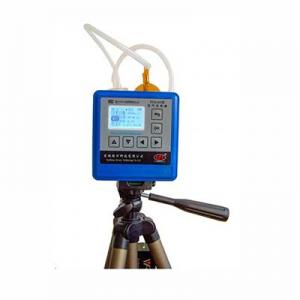
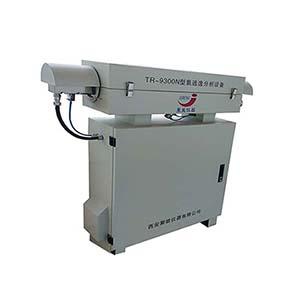
TR-9300A Miniature Ambient Air Quality Monitoring System
Product Introduction
The
TR-9300A Miniature Ambient Air Quality Monitoring System is designed for
continuous, all-weather monitoring of particulate matter and gaseous pollutants
in ambient air. It integrates light-scattering particle detection,
high-precision electrochemical sensors, GPS positioning, and 4G communication
to monitor six key air quality parameters: PM2.5, PM10, SO₂, NO₂, O₃, and CO.
With
a compact design, flexible installation options, and remote monitoring
capabilities, the TR-9300A supports grid-based air quality monitoring in urban
residential communities, commercial districts, industrial parks, traffic
corridors, and construction sites. Optional wind speed, wind direction, video,
noise, and LED display modules allow the system to be adapted to different
environmental monitoring requirements.
Performance Features
1. Multi-Parameter
Monitoring: Simultaneously monitors PM2.5, PM10, SO₂, NO₂, O₃, and CO.
2.High-Precision
Detection: Combines light-scattering technology for particulate matter with
electrochemical sensing for gaseous pollutants.
3. Flexible
Configuration: Supports optional wind speed, wind direction, video
surveillance, noise monitoring, and LED display modules.
4. Environmental
Compensation: Includes temperature and humidity correction, span
correction, and automatic compensation for cross-interference between
pollutants.
5. Humidity Control: A patented
heated desiccant design helps reduce the influence of high humidity on
particulate matter measurements.
6. Anti-Interference
Inlet: A specialized air inlet helps prevent interference from mosquitoes, leaves, and
airborne fibers.
7.Remote Maintenance: Modular
components simplify maintenance and calibration, with local and remote
calibration, remote maintenance, and remote software upgrades.
8. GPS Positioning: Provides
location information for distributed monitoring networks.
9. Reliable Data
Transmission: Supports multi-center data transmission and
breakpoint-resume transmission, with a stated effective data transmission rate
above 98% when used with the platform's data supplementation function.
10. Flexible Power
Supply: Supports electrical power or solar power for different installation
environments.
Working Principle
The
TR-9300A combines two primary detection technologies:
• Light Scattering: Measures
PM2.5 and PM10 by detecting light scattered by airborne particles. The system
processes the scattering signal to estimate particulate matter concentrations.
• Electrochemical
Detection: Measures CO, O₃, SO₂, and NO₂ using
high-precision electrochemical sensors that generate electrical signals in
response to target gases.
The
system uses temperature and humidity correction, pollutant cross-interference
compensation, and data acquisition technology to improve measurement stability.
GPS positioning and 4G communication support location-based monitoring and
remote data transmission.
Technical Parameters
Parameter
Specification
Model
TR-9300A
Monitoring
Parameters
PM2.5,
PM10, SO₂, NO₂, O₃, CO
PM2.5
/ PM10 Principle
Light
scattering
PM2.5
/ PM10 Measuring Range
0–2,000
μg/m³
PM2.5
/ PM10 Resolution
1
μg/m³ as stated by the source
CO
Detection Principle
High-precision
electrochemical
CO
Measuring Range
0–200
ppm
CO
Resolution
1
ppb
O₃ / SO₂ / NO₂ Detection Principle
High-precision
electrochemical
O₃ / SO₂ / NO₂ Measuring Range
0–2
ppm
O₃ / SO₂ / NO₂ Resolution
0.1
ppb
Sampling
Method
Pump
suction
Communication
4G
Positioning
GPS
Power
Supply
Electrical
power or solar power
Optional
Modules
Wind
speed, wind direction, video, noise, LED display
Product
Dimensions
675
× 385 × 220 mm
Product
Weight
15
kg
Operating
Temperature
−30°C
to +50°C
Operating
Humidity
15–90%
RH, non-condensing
Application Scenarios
• Urban
Residential Areas: Monitors neighborhood air quality and supports
local pollution assessment.
• Commercial
and Office Districts: Tracks ambient particulate matter and gaseous
pollutants.
• Industrial
Parks: Supports environmental surveillance around industrial facilities.
• Traffic Corridors: Monitors
air pollution in areas affected by vehicle emissions.
• Construction
Sites: Tracks particulate matter levels associated with construction activities.
• Environmental
Monitoring Networks: Enables distributed monitoring stations with
GPS positioning and centralized data transmission.
• Renewable-Powered
Monitoring Sites: Supports solar-powered deployment where
conventional electrical supply is difficult to access.
TR-9300A vs. Conventional Ambient Air Monitors
Comparison Item
TR-9300A
Conventional Monitoring Equipment
Monitoring
Parameters
Six
core parameters: PM2.5, PM10, SO₂, NO₂, O₃, and CO
Depends
on instrument configuration
Detection
Technologies
Light
scattering and electrochemical sensing
Varies
by monitoring technology
Installation
Compact,
distributed monitoring design
May
require larger or more specialized installations
Communication
Integrated
4G communication
Depends
on model
Positioning
GPS
positioning
May
require separate positioning equipment
Power
Options
Electrical
or solar power
Depends
on installation
Optional
Monitoring
Wind,
video, noise, and LED display
Depends
on available accessories
Remote
Maintenance
Supports
remote calibration, maintenance, and software upgrades
Depends
on system design
Frequently Asked Questions
1. Which air pollutants can the TR-9300A monitor?
It
monitors PM2.5, PM10, sulfur dioxide (SO₂), nitrogen dioxide (NO₂), ozone (O₃), and
carbon monoxide (CO).
2. How does the TR-9300A measure particulate matter?
It
uses light-scattering technology to measure PM2.5 and PM10 concentrations in
ambient air.
3. What technology is used for gas detection?
High-precision
electrochemical sensors are specified for CO, O₃, SO₂, and NO₂ monitoring.
4. Does the system support remote monitoring?
Yes.
Integrated 4G communication and GPS positioning support remote data
transmission and location-based monitoring.
5. Can the TR-9300A operate on solar power?
Yes.
The specified power options include electrical power and solar power. The
required solar configuration depends on the installation and operating
conditions.
6. What optional functions are available?
Optional
modules include wind speed, wind direction, video monitoring, noise monitoring,
and an LED display screen.
7. How does the system handle high humidity?
The
system uses temperature and humidity correction and a heated desiccant design
intended to reduce the influence of high humidity on particulate matter
measurements.
8. What are the operating environmental conditions?
The
specified operating temperature is −30°C to +50°C, and the operating humidity
is 15–90% RH without condensation.
9. Where can the TR-9300A be installed?
Typical
locations include residential communities, commercial districts, industrial
parks, traffic roads, and construction sites. Its compact design and flexible
power options support distributed environmental monitoring.