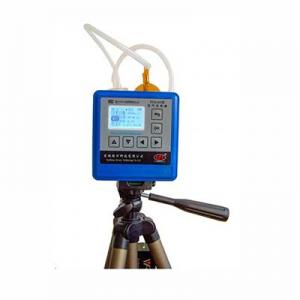
TR-9300D Chimney Flue Gas Continuous Emissions Monitoring
System (CEMS)
Product Introduction
The
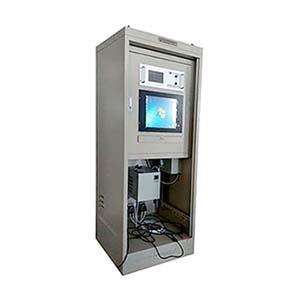
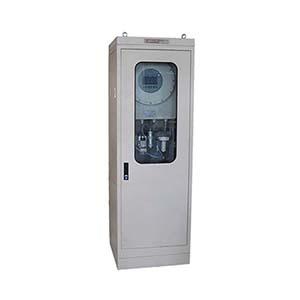
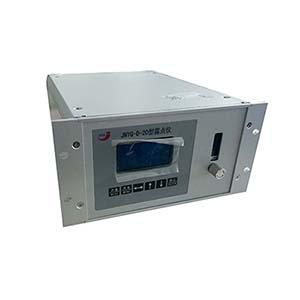
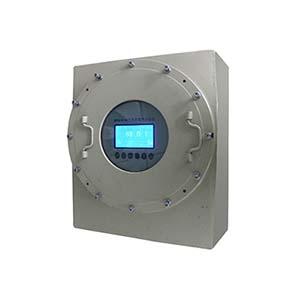
TR-9300D Chimney Emissions Continuous Monitoring System (CEMS) is designed for
real-time monitoring of gaseous pollutants, particulate matter, and key flue
gas parameters from industrial chimneys and exhaust stacks. Integrating online
analytical technologies with environmental monitoring and data processing, the
system measures SO₂, NOx, CO,
CO₂, O₂, dust concentration, temperature, pressure, humidity, and
flue gas flow rate.
Its
modular architecture supports flexible configuration, automated data
acquisition, environmental reporting, and data transmission to environmental
monitoring platforms. The TR-9300D is suitable for industrial emission
monitoring and pollution control applications. According to the supplied
product information, the system complies with China's HJ/T 76-2007 industry
standard and has obtained an Environmental Protection Product Certification
Certificate issued by the China Environmental Protection Industry Association.
Performance Features
• Multi-parameter
monitoring: Measures gaseous pollutants, particulate matter, and flue
gas operating parameters in one integrated system.
• Continuous
online analysis: Supports ongoing emissions monitoring for industrial
stacks and chimneys.
• Flexible
modular design: Allows monitoring subsystems to be configured according to
application requirements.
• Multiple
detection technologies: Supports infrared, ultraviolet,
electrochemical, magnetic-pressure, optical, laser, and differential-pressure
methods, depending on the parameter.
• Reliable
measurement performance: Designed for high measurement accuracy, stable
data acquisition, and strong interference resistance.
• Automated data
processing: The data acquisition and processing system collects
measurements and generates environmental reports.
• Multiple communication
interfaces: Supports RS-232, RS-485, and 4–20 mA outputs, depending on
the monitoring subsystem.
• Reduced
maintenance requirements: Modular construction simplifies servicing and
helps minimize system downtime.
• Industrial durability: Designed
for long-term operation in industrial emissions monitoring applications.
Working Principle
The
TR-9300D uses multiple analytical technologies to measure pollutant
concentrations and flue gas conditions.
1. Gaseous pollutant
analysis: SO₂ and NOx are measured using infrared or
ultraviolet methods. CO is measured by non-dispersive infrared (NDIR)
absorption.
2.Oxygen measurement: O₂ concentration is determined using an electrochemical
sensor or magnetic-pressure measurement technology.
3. Particulate
monitoring: Optical or laser-based technology measures dust
concentrations in the flue gas.
4. Flue gas parameter
measurement: Differential-pressure sensing measures flow velocity and
pressure, thermocouples measure temperature, and capacitance-based sensing
measures humidity.
5. Data acquisition and
transmission: The data acquisition and processing subsystem collects
measurement results, processes the data, generates reports, and transmits
information to connected environmental monitoring platforms.
Together,
these subsystems provide continuous information on industrial exhaust emissions
and operating conditions.
Technical Parameters
|
Monitoring Parameter
|
Measurement Method
|
Measurement Range
|
Zero / Range Drift per 7 Days
|
Response Time (T90)
|
Linearity Error
|
Output Signal
|
|
SO₂
|
Infrared
or ultraviolet
|
0–100
/ 0–2,000 ppm, depending on range configuration
|
±1%
FS / 7 days
|
≤12
s
|
≤±1%
FS
|
RS-232
/ RS-485 / 4–20 mA
|
|
NOx
|
Infrared
or ultraviolet
|
0–100
/ 0–2,000 ppm, depending on range configuration
|
±1%
FS / 7 days
|
≤12
s
|
Not
specified
|
RS-232
/ RS-485 / 4–20 mA
|
|
CO
|
NDIR
absorption
|
0–100
/ 0–2,000 ppm, depending on range configuration
|
±1%
FS / 7 days
|
≤12
s
|
Not
specified
|
RS-232
/ RS-485 / 4–20 mA
|
|
O₂
|
Electrochemical
or magnetic-pressure type
|
0–25%
|
±1%
FS / 7 days
|
≤10
s
|
Not
specified
|
RS-232
/ RS-485 / 4–20 mA
|
|
Particulate
Matter (Dust)
|
Optical
or laser
|
0–100
/ 0–2,000 mg/m³, depending on range configuration
|
±2%
FS / 7 days
|
≤1
s
|
≤±3%
FS
|
4–20
mA
|
|
Flue
Gas Flow Velocity
|
Differential-pressure
sensing
|
0–40
m/s
|
±5%
FS / 7 days
|
≤15
s
|
≤±1%
FS
|
4–20
mA
|
|
Pressure
|
Differential-pressure
sensing
|
−40
to +40 kPa
|
±2%
FS / 7 days
|
Not
specified
|
Not
specified
|
4–20
mA
|
|
Temperature
|
Thermocouple
|
0–250°C
|
±1%
FS / 7 days
|
Not
specified
|
Not
specified
|
4–20
mA
|
|
Humidity
|
Capacitance
method
|
0–100%
|
±2%
FS / 7 days
|
≤10
s
|
≤±1.5%
FS
|
4–20
mA
|
Note: FS means full scale. The source specification
contains some misaligned table entries, particularly for linearity error,
response time, and output signals. These entries should be confirmed with the
manufacturer before publication or use for compliance assessment. CO₂ is listed as a monitored component in the
overview, but its measurement range and detailed specifications were not
provided.
Application Scenarios
• Power plants: Monitor
flue gas emissions from coal-fired and other thermal power generation
facilities.
• Chemical plants: Measure
gaseous pollutants and exhaust parameters from chemical production processes.
• Steel
mills: Monitor stack emissions from furnaces and metallurgical processes.
• Cement factories: Track
particulate matter and gaseous emissions from kilns and production lines.
• Heating plants: Monitor
emissions from industrial and district-heating boilers.
• Waste
incineration plants: Support continuous monitoring of combustion
exhaust and pollutant emissions.
• Industrial boilers: Monitor
emissions from coal-fired, gas-fired, and fuel-oil-fired boilers.
• Environmental
compliance management: Collect, process, report, and transmit
emissions data for environmental supervision and pollution control.
TR-9300D CEMS Comparison
|
Feature
|
TR-9300D CEMS
|
Single-Parameter Emissions Analyzer
|
|
Monitoring
Scope
|
Multiple
gases, dust, and flue gas parameters
|
Typically
one parameter or a limited group
|
|
Gas
Monitoring
|
SO₂, NOx, CO, O₂; CO₂ listed in the system
overview
|
Depends
on analyzer type
|
|
Particulate
Monitoring
|
Integrated
subsystem
|
Usually
requires separate equipment
|
|
Flue
Gas Parameters
|
Flow,
pressure, temperature, and humidity
|
Often
requires additional instruments
|
|
Data
Processing
|
Integrated
acquisition, reporting, and transmission
|
May
require external data systems
|
|
System
Configuration
|
Modular
and configurable
|
Depends
on individual instruments
|
|
Typical
Applications
|
Industrial
stack emissions and continuous monitoring
|
Targeted
pollutant measurement
|
The
TR-9300D is designed for facilities that require integrated, multi-parameter
emissions monitoring rather than isolated measurements. Its suitability for a
specific regulatory application depends on the configured analyzers, applicable
standards, installation conditions, and required performance verification.
Frequently Asked Questions (FAQ)
Q1: What is the TR-9300D CEMS used for?
It
continuously monitors industrial chimney and stack emissions, including gaseous
pollutants, particulate matter, and flue gas parameters.
Q2: Which pollutants can the system monitor?
The
supplied specifications cover SO₂, NOx, CO, O₂, and particulate matter. CO₂ is also listed in the system overview, although detailed
measurement specifications were not provided.
Q3: How does the TR-9300D measure flue gas pollutants?
It
uses infrared or ultraviolet analysis for selected gases, NDIR for CO,
electrochemical or magnetic-pressure technology for O₂, and optical or laser methods for particulate matter.
Q4: Can the system measure flue gas flow and temperature?
Yes.
It uses differential-pressure sensing for flow velocity and pressure, and a
thermocouple for temperature measurement.
Q5: Does the TR-9300D support remote data transmission?
Yes.
Its data acquisition and processing subsystem supports data reporting and
transmission to connected environmental monitoring platforms.
Q6: Which industries can use this emissions monitoring
system?
Typical
applications include power generation, chemical production, steelmaking, cement
manufacturing, heating plants, waste incineration, and industrial boilers.
Q7: What communication interfaces are available?
Depending
on the monitoring subsystem, the specified interfaces include RS-232, RS-485,
and 4–20 mA outputs.
Q8: Does the system comply with Chinese environmental
monitoring standards?
The
supplied product information states compliance with HJ/T 76-2007 and identifies
an environmental protection product certification. Buyers should verify the
current applicability of the standard and the validity and scope of the
certification for their intended installation.