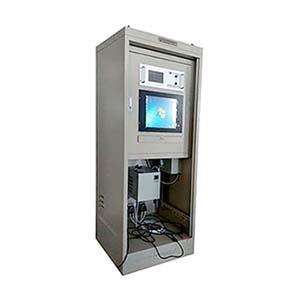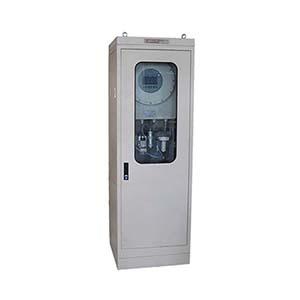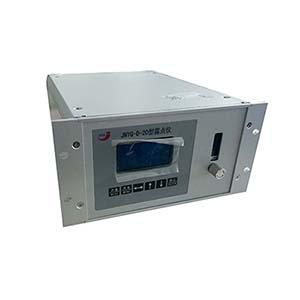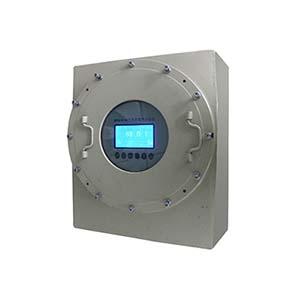
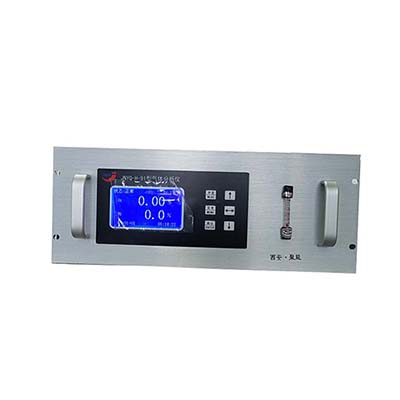
JNYQ-H-91 Industrial Hydrogen Analyzer
- PRODUCT DETAIL
JNYQ-H-91 Industrial Hydrogen Analyzer
Product Introduction
The
JNYQ-H-91 Hydrogen Analyzer is an industrial gas analysis instrument designed
for measuring hydrogen (H₂)
concentration in gas mixtures. With a measurement range of 0–100%, it supports
hydrogen purity monitoring and process gas analysis in industrial facilities,
including steel plants, fertilizer plants, thermal power stations, and hydrogen
production plants.
The
analyzer features a single-bridge measuring circuit with compensation gas,
digital signal processing, and a linearized measurement output. Its
shock-resistant and corrosion-resistant thermal sensing component supports
reliable operation under suitable industrial conditions. Selectable RS232 or
RS485 communication and current output options facilitate integration with
compatible monitoring and control systems.
Performance Features
1. Wide Hydrogen
Measurement Range: Measures H₂ concentration from 0% to 100%.
2. Single-Bridge
Measuring Circuit: Incorporates a compensation circuit and
compensation gas for hydrogen measurement.
3.Advanced Digital
Processing: Applies digital signal processing to measurement data.
4.Shock- and
Corrosion-Resistant Sensing Component: Designed to withstand
vibration and corrosive influences within specified operating limits.
5. Linearized Output: Provides a
linearized measurement output for convenient reading and system integration.
6.Flexible
Communication: Supports selectable RS232 or RS485 communication
interfaces.
7. Current Signal
Output: Provides selectable 0–20 mA or 4–20 mA output, with a specified load of 500 Ω.
8.Multi-Gas System
Integration: Under the same conditions, compatible analyzer modules can
be combined to measure up to four types of gas concentration.
9. Industrial
Installation: Features a cold-rolled steel sheet housing and a compact
form factor for suitable industrial installations.
Working Principle
The
JNYQ-H-91 uses a thermal sensing and compensation measuring circuit to
determine hydrogen concentration in a gas mixture. Differences in thermal
conductivity between hydrogen and the background gas affect heat transfer at
the sensing element. The measuring circuit converts the resulting changes into
electrical signals, which are processed digitally to calculate the gas
concentration.
The
analyzer provides a linearized output for display and transmission to
compatible monitoring or control systems. Since other gases can also influence
thermal conductivity, the background gas composition and potential interference
must be considered during calibration and application selection.
Note: Confirm the detailed sensing principle, required
compensation gas, and gas-matrix compatibility with the manufacturer before
final installation.
Technical Parameters
Parameter
Specification
Model
JNYQ-H-91
Analyzed
Gas
Hydrogen
(H₂)
Measuring
Range
0–100%
Accuracy
≤
±1% FS
Zero
Drift
±1%
FS / 7 days
Span
Drift
±1%
FS / 7 days
Linearity
Error
±1%
FS
Repeatability
≤
±1%
Response
Time
≤
15 seconds (T90)
Power
Consumption
Less
than 80 W
Power
Supply
220
VAC ±10%, 50 Hz ±5%
Current
Output
Selectable
0–20 mA or 4–20 mA; 500 Ω load
Communication
Interface
RS232
or RS485, selectable
Control
Output
Upper-
and lower-limit passive contact output
Housing
Material
Cold-rolled
steel sheet
Overall
Dimensions
454
× 180 × 180 mm
Operating
Temperature
5–45°C;
avoid direct sunlight
Operating
Humidity
0–85%
RH
Installation
Horizontal;
avoid mechanical shock
Gas
Environment
No
strongly corrosive gases
Wind
Speed
≤
1 m/s
Note: Confirm the exact output configuration, contact
ratings, and installation requirements for the selected unit.
Application Scenarios
• Steel
Plants: Monitoring hydrogen concentration in suitable industrial gas streams.
• Fertilizer Plants: Analyzing
hydrogen content in ammonia synthesis processes.
• Thermal
Power Plants: Monitoring hydrogen purity in generator hydrogen-cooling
systems.
• Nuclear
Power Plants: Supporting hydrogen purity monitoring in cooling systems
and hydrogen monitoring in containment applications, subject to the site's
safety and certification requirements.
• Hydrogen
Production Plants: Measuring hydrogen concentration and purity in
production-related gas streams.
• Laboratories: Testing
hydrogen concentration in combustion and gas analysis experiments.
• Multi-Gas
Monitoring Systems: Integration with compatible analyzers for
measuring up to four gas concentrations under the same operating conditions.
JNYQ-H-91 vs. General Hydrogen Gas Analyzers
Comparison Item
JNYQ-H-91 Hydrogen Analyzer
General Hydrogen Analyzers
Measurement
Range
0–100%
H₂
Depends
on model
Accuracy
≤
±1% FS
Depends
on model and range
Measuring
Circuit
Single-bridge
circuit with compensation gas
Depends
on sensing technology
Signal
Processing
Digital
processing with linearized output
Depends
on model
Analog
Output
Selectable
0–20 mA or 4–20 mA
Depends
on model
Digital
Communication
Selectable
RS232 or RS485
Depends
on model
Multi-Gas
Configuration
Up
to four gas concentrations with compatible combined modules
Depends
on system design
Typical
Applications
Industrial
hydrogen purity and process gas monitoring
Application-specific
Frequently Asked Questions
1. What is the JNYQ-H-91 hydrogen analyzer used for?
It
measures hydrogen concentration in gas mixtures for applications such as
ammonia synthesis, hydrogen cooling systems, hydrogen production, and
industrial gas monitoring.
2. What is the measuring range of the JNYQ-H-91?
The
specified range is 0–100% hydrogen, with an accuracy of ≤ ±1% of full scale.
3. Can the analyzer monitor hydrogen purity in power plant
cooling systems?
Yes.
It is listed for hydrogen purity monitoring in thermal power plant
hydrogen-cooling systems. Site-specific requirements and compatibility with the
gas stream should be verified.
4. What output signals does the JNYQ-H-91 support?
It
supports selectable 0–20 mA or 4–20 mA current output and selectable RS232 or
RS485 communication.
5. Can the JNYQ-H-91 be combined with other gas analyzers?
According
to the supplied specifications, compatible units can be combined to measure up
to four gas concentrations under the same conditions. Confirm module
compatibility and configuration with the manufacturer.
6. What are the operating environment requirements?
The
specified operating temperature is 5–45°C and relative humidity is 0–85%. The
installation should be horizontal, protected from direct sunlight and
mechanical shock, and free of strongly corrosive gases. The specified wind
speed is no more than 1 m/s.
7. What is the response time?
The
specified response time is no more than 15 seconds (T90).
8. Is the JNYQ-H-91 suitable for explosive or nuclear
safety-critical environments?
The
supplied specifications do not establish an explosion-proof rating or nuclear
safety certification. Verify applicable certifications, environmental
qualifications, and installation approvals before use in hazardous or
safety-critical areas.
NEXT:JNYQ-I-41 High-Quality Professional SO₂ Gas Analyzer