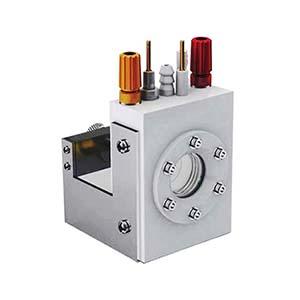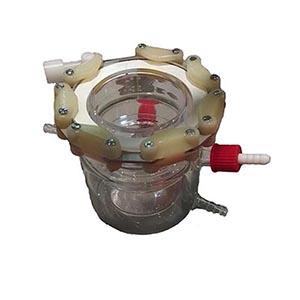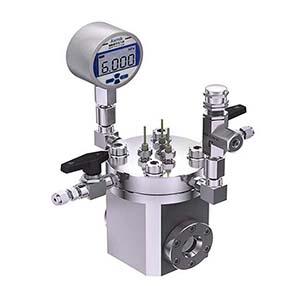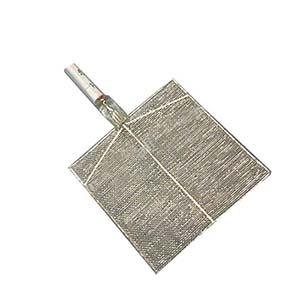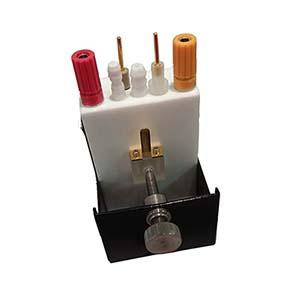
C007-10 2H Replaceable Membrane Electrolytic Cell

- PRODUCT DETAIL
C007-10 2H Replaceable Membrane Electrolytic Cell
Product Introduction
The
C007-10 2H Replaceable Membrane Electrolytic Cell is a specialized laboratory
electrochemical cell designed for membrane-separated electrochemical
experiments. Manufactured from high-borosilicate glass, it features a compact
10 mL capacity and a two-compartment structure in which the anode and cathode
chambers are separated by a replaceable ion-exchange membrane.
Designed
for three-electrode electrochemical systems, the cell allows flexible electrode
configurations according to experimental requirements. The reference electrode
and working electrode are positioned in the same chamber to effectively reduce
uncompensated resistance (iR drop).
The
C007-10 2H offers relatively sealed and fully sealed configurations, with
specialized PTFE compression sealing structures for the glass connections and
electrode ports. Its detachable, chain-linked chamber design facilitates
membrane replacement, while the integrated gas-sparging device supports
controlled-atmosphere experiments. The overhead structure of the single-layer
cell body also helps minimize solution retention and simplify cleaning.
Performance Features
• High-Quality
Glass Construction: Made of high-borosilicate glass for excellent
transparency and chemical resistance.
• Replaceable
Ion-Exchange Membrane: Separates the anode and cathode chambers while
allowing convenient membrane replacement.
• Two-Compartment
Design: Independent anode and cathode chambers support membrane-separated
electrochemical reactions.
• Compact
10 mL Capacity: Designed for small-volume laboratory electrochemical
experiments.
• Three-Electrode
Compatibility: Supports customized electrode configurations, with
electrodes requiring extended designs.
• Reduced
iR Drop: The working electrode and reference electrode are positioned in the same
chamber to help reduce uncompensated solution resistance.
• Advanced Sealing
Structure: Internal-threaded glass connections use PTFE compression sealing rings, while
electrode ports use O-ring compression seals.
• Two
Sealing Configurations: Available in relatively sealed and fully
sealed versions to accommodate different experimental requirements.
• Convenient
Membrane Replacement: Chain-linked chamber connections simplify
disassembly and diaphragm replacement.
• Overhead
Cell Structure: The single-layer cell body features an elevated design to
minimize solution retention.
• Gas
Atmosphere Control: An integrated sparging device introduces gas
below the liquid surface for controlled-atmosphere experiments.
• Quick-Connect
Sealing: Optional quick-connect gas connections provide sealing without additional
valves, using 3 mm diameter PTFE tubing.
Working Principle
The
C007-10 2H Replaceable Membrane Electrolytic Cell operates by separating an
electrochemical reaction system into two independent compartments using an
ion-exchange membrane.
The
membrane divides the anode and cathode chambers while allowing appropriate
ionic transport between them, helping maintain electrical continuity and
control interactions between the two electrolyte environments.
In
a typical three-electrode configuration, the working electrode and reference
electrode are installed in the same chamber, while the counter electrode is
positioned in the opposite chamber. This arrangement helps reduce uncompensated
solution resistance and supports more reliable electrochemical measurements.
During
operation, an electrochemical workstation applies the required potential or
current and monitors the electrochemical response. The integrated gas-sparging
device can introduce nitrogen or other experimental gases below the electrolyte
surface to establish the required atmosphere. The replaceable membrane
structure allows researchers to select and change membrane materials according
to different experimental requirements.
Technical Parameters
Parameter
Specification
Model
C007-10
2H
Product
Type
Replaceable
Membrane Electrolytic Cell
Cell
Body Material
High-Borosilicate
Glass
Cell
Volume
10
mL
Electrode
Configuration
Three-electrode
system
Electrode
Design
Customized
extended electrodes
Cell
Structure
Two-compartment
design
Chamber
Separation
Replaceable
ion-exchange membrane
Chamber
Connection
Chain-linked
detachable structure
Sealing
Configurations
Relatively
sealed and fully sealed
Glass
Connection
Internal-threaded
port with PTFE compression sealing ring
Electrode
Sealing
O-ring
compression sealing structure
Cover
Material
PTFE
Reference
and Working Electrodes
Installed
in the same chamber
Gas
Introduction
Integrated
below-liquid sparging device
Gas
Connection
Optional
quick-connect structure
PTFE
Tubing Diameter
3
mm
Valve
Configuration
Quick-connect
sealing without additional valves
Cell
Body Design
Overhead
single-layer structure
Application Scenarios
The
C007-10 2H Replaceable Membrane Electrolytic Cell is suitable for advanced
electrochemical research involving membrane-separated reaction systems.
• Membrane
Electrochemistry: Research involving ion-exchange membranes and
membrane-mediated electrochemical processes.
• Electrocatalysis
Research: Evaluation of catalytic electrode materials in separated anode and cathode
environments.
• Electrochemical
Synthesis: Studies of electrochemical reactions requiring isolated reaction compartments.
• Electrode Material
Evaluation: Characterization of working electrodes under controlled
electrolyte conditions.
• Electrochemical
Energy Research: Investigation of membrane-based electrochemical systems
and energy conversion processes.
• Controlled-Atmosphere
Experiments: Nitrogen purging and other gas-protection applications for
oxygen-sensitive reactions.
• Electrochemical
Mechanism Studies: Investigation of ionic transport, electrode
reactions, and interfacial processes.
• Specialized
Laboratory Testing: Small-volume experiments requiring replaceable
membranes and reliable sealing.
C007-10 2H vs. Conventional Electrolytic Cells
Comparison
C007-10 2H
Conventional Electrolytic Cell
Cell
Material
High-borosilicate
glass
Depends
on model
Cell
Volume
10
mL
Model-dependent
Chamber
Structure
Two
independent chambers
Usually
single chamber
Chamber
Separation
Replaceable
ion-exchange membrane
Usually
no membrane
Membrane
Replacement
Supported
Depends
on design
Electrode
Configuration
Three-electrode
system
Three-electrode
system
Reference
Electrode Position
Same
chamber as working electrode
Depends
on configuration
Sealing
Relatively
sealed or fully sealed
Model-dependent
Gas
Introduction
Integrated
sparging device
Model-dependent
Electrode
Sealing
O-ring
compression structure
Model-dependent
Gas
Connection
Optional
3 mm PTFE quick-connect
Model-dependent
Solution
Retention
Overhead
structure minimizes retention
Depends
on design
Frequently Asked Questions (FAQ)
1. What is the C007-10 2H Replaceable Membrane Electrolytic
Cell used for?
It
is designed for membrane-separated electrochemical experiments, including
electrocatalysis, electrochemical synthesis, electrode material research, and
electrochemical energy studies.
2. What is the capacity of the C007-10 2H electrolytic
cell?
The
standard cell volume is 10 mL, making it suitable for small-volume
electrochemical experiments.
3. What is the function of the replaceable ion-exchange
membrane?
The
membrane separates the anode and cathode chambers while allowing appropriate
ionic transport. Its replaceable design enables researchers to select different
membrane materials for specific experiments.
4. How many chambers does the C007-10 2H have?
It
features two independent chambers: an anode chamber and a cathode chamber,
separated by an ion-exchange membrane.
5. Does the C007-10 2H support three-electrode
measurements?
Yes.
It is designed for three-electrode electrochemical systems. The working and
reference electrodes are installed in the same chamber to help reduce
uncompensated resistance.
6. What is the difference between the relatively sealed and
fully sealed versions?
Both
configurations provide sealing for electrochemical experiments, but the fully
sealed version uses additional sealing arrangements at the electrode
connections and PTFE cover to achieve a higher degree of enclosure.
7. How is the membrane replaced?
The
two cell chambers are connected through a detachable, chain-linked structure.
This allows convenient disassembly and replacement of the ion-exchange
membrane.
8. Does the C007-10 2H support gas protection?
Yes.
It includes a gas-sparging device that introduces gas below the liquid surface,
supporting nitrogen purging and other controlled-atmosphere experiments.
9. What tubing is used for the quick-connect system?
The
quick-connect configuration uses PTFE tubing with a diameter of 3 mm. The
sealing connection can be achieved without installing additional valves.