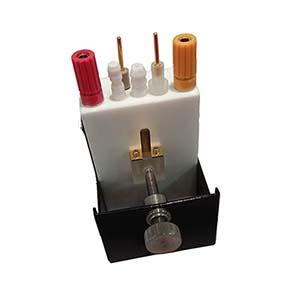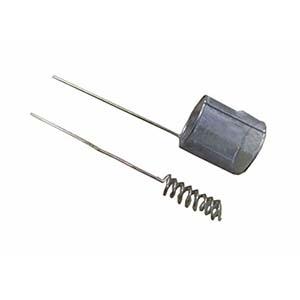
P002 2H High-Pressure Electrochemical Cell
- PRODUCT DETAIL
P002 2H High-Pressure Electrochemical Cell
Product Overview
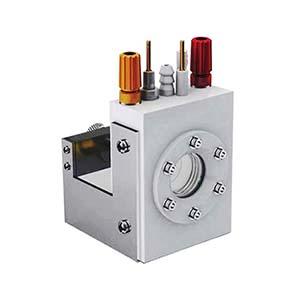
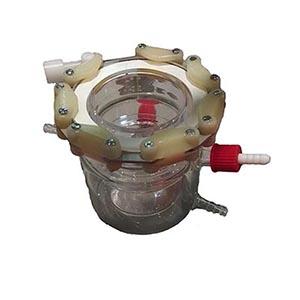
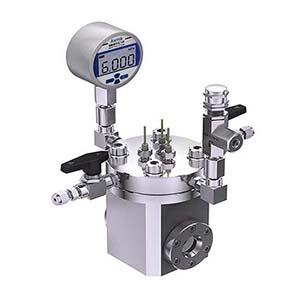
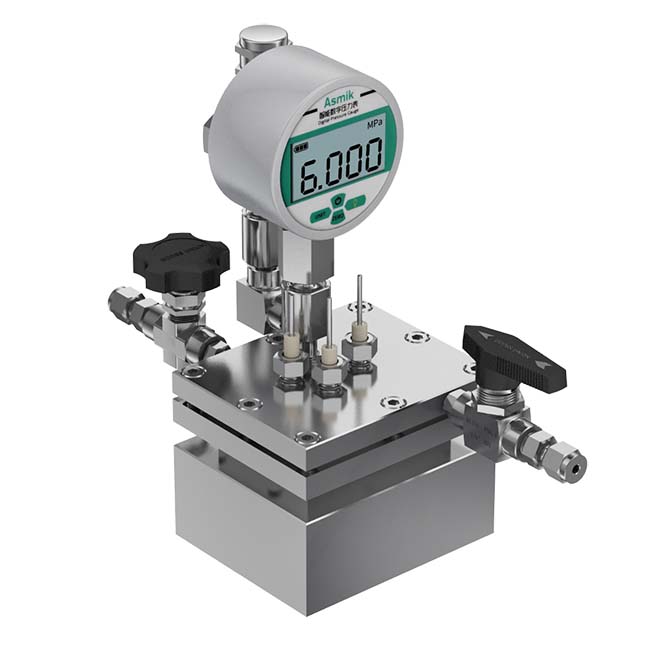
The P002 2H High-Pressure Electrochemical Cell is a professional laboratory electrolysis cell designed for advanced electrochemical research and high-pressure electrochemical experiments. Constructed from high-purity titanium with a PTFE-lined reaction chamber, it offers excellent corrosion resistance, chemical stability, and mechanical strength.
Designed with a dual-chamber structure and a maximum operating pressure of 6 MPa, the P002 2H is ideal for electrochemical studies involving gas evolution, electrocatalysis, energy storage materials, hydrogen production, CO₂ reduction, and other high-pressure electrochemical applications.
Its three-electrode system configuration enables accurate electrochemical measurements while maintaining excellent experimental reproducibility.
Key Features
· High-pressure operation up to 6 MPa
· High-purity titanium cell body for superior corrosion resistance
· PTFE-lined internal chamber for chemical compatibility
· Dual-chamber design (20mL + 20mL)
· Standard three-electrode electrochemical system
· Suitable for acidic, alkaline, and neutral electrolytes
· Excellent sealing performance under pressure
· Durable stainless steel 304 valve assembly
· Customizable chamber volume available
· Ideal for research laboratories and university applications
Working Principle
The P002 2H High-Pressure Electrochemical Cell utilizes a sealed dual-chamber design to perform electrochemical reactions under controlled pressure conditions.
The working electrode and reference electrode are installed in the same chamber, while the counter electrode is positioned in the separate chamber. During electrolysis, an external potentiostat or galvanostat applies a controlled potential or current between the working and counter electrodes.
The sealed titanium structure maintains elevated pressure conditions, allowing researchers to investigate electrochemical reaction kinetics, gas generation behavior, catalyst performance, and electrode stability under realistic operating environments.
The three-electrode configuration provides precise potential control and accurate electrochemical data acquisition for advanced research applications.
Technical Specifications
|
Parameter |
Specification |
|
Model |
P002 2H |
|
Product Type |
High-Pressure Electrochemical Cell |
|
Cell Material |
High-Purity Titanium |
|
Internal Lining Material |
PTFE |
|
Valve Material |
Stainless Steel 304 |
|
Maximum Operating Pressure |
6 MPa |
|
Chamber Volume |
20mL + 20mL |
|
Electrode System |
Three-Electrode System |
|
Working Electrode Chamber |
Shared with Reference Electrode |
|
Counter Electrode Chamber |
Independent Chamber |
|
Volume Customization |
Available Upon Request |
|
Application |
Electrochemical Research & Testing |
Electrode Configuration
|
Electrode Type |
Configuration |
|
Working Electrode |
Installed in Working Electrode Chamber |
|
Reference Electrode |
Ag/AgCl Electrode (Sold Separately) |
|
Counter Electrode |
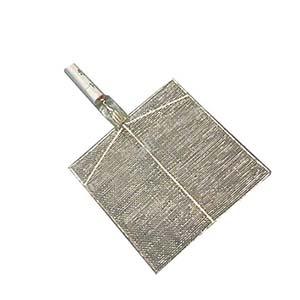
Platinum Electrode (Sold Separately) |
|
Electrode Clamp |
Optional Accessory, Sold Separately |
Safety & Installation Notes
1. The reference electrode and working electrode are installed in the same chamber.
2. The recommended reference electrode is an Ag/AgCl (Silver/Silver Chloride) electrode (purchased separately).
3. The counter electrode is a platinum electrode (purchased separately).
4. A dedicated working electrode clamp is available as an optional accessory.
Typical Applications
Electrocatalysis Research
· Hydrogen evolution reaction (HER)
· Oxygen evolution reaction (OER)
· CO₂ reduction studies
· Nitrogen reduction research
Energy Storage Development
· Battery material testing
· Supercapacitor electrode evaluation
· Fuel cell catalyst research
High-Pressure Electrochemistry
· Pressurized electrolysis experiments
· Gas generation and dissolution studies
· Reaction mechanism investigations
Materials Science
· Corrosion studies
· Surface modification research
· Electrochemical characterization
Academic & Industrial Laboratories
· University research projects
· National laboratory testing
· Advanced electrochemical process development
Comparison with Conventional Electrochemical Cells
|
Feature |
P002 2H High-Pressure Electrochemical Cell |
Conventional Electrochemical Cell |
|
Maximum Pressure |
6 MPa |
Atmospheric Pressure |
|
Cell Material |
High-Purity Titanium |
Glass or Standard Metal |
|
Corrosion Resistance |
Excellent |
Moderate |
|
PTFE Inner Lining |
Yes |
Usually No |
|
High-Pressure Research |
Supported |
Not Supported |
|
Three-Electrode System |
Yes |
Yes |
|
Gas Reaction Studies |
Excellent |
Limited |
|
Structural Strength |
High |
Moderate |
|
Custom Chamber Volume |
Available |
Limited |
|
Experimental Flexibility |
High |
Standard |
FAQ
1. What is the P002 2H High-Pressure Electrochemical Cell used for?
It is designed for electrochemical experiments under high-pressure conditions, including electrocatalysis, hydrogen production, CO₂ reduction, corrosion studies, and energy storage research.
2. What is the maximum operating pressure?
The cell is designed to operate at pressures up to 6 MPa.
3. What materials are used in the cell construction?
The cell body is manufactured from high-purity titanium, the internal chamber is lined with PTFE, and the valve assembly is made from stainless steel 304.
4. Does the cell include electrodes?
No. The Ag/AgCl reference electrode, platinum counter electrode, and working electrode clamp are sold separately.
5. Why is a three-electrode system used?
A three-electrode configuration provides precise control of electrode potential and improves the accuracy of electrochemical measurements.
6. Can the chamber volume be customized?
Yes. Custom chamber capacities can be provided according to specific experimental requirements.
Why Choose the P002 2H High-Pressure Electrochemical Cell?
The P002 2H High-Pressure Electrochemical Cell combines a robust titanium structure, PTFE chemical resistance, dual-chamber design, and 6MPa pressure capability to meet the demands of modern electrochemical research. Its reliable sealing performance, three-electrode configuration, and customizable design make it an ideal solution for advanced laboratory electrochemistry, catalyst development, and energy technology research.
NEXT:Pt310 Platinum mesh electrode for Electrochemical experiment